
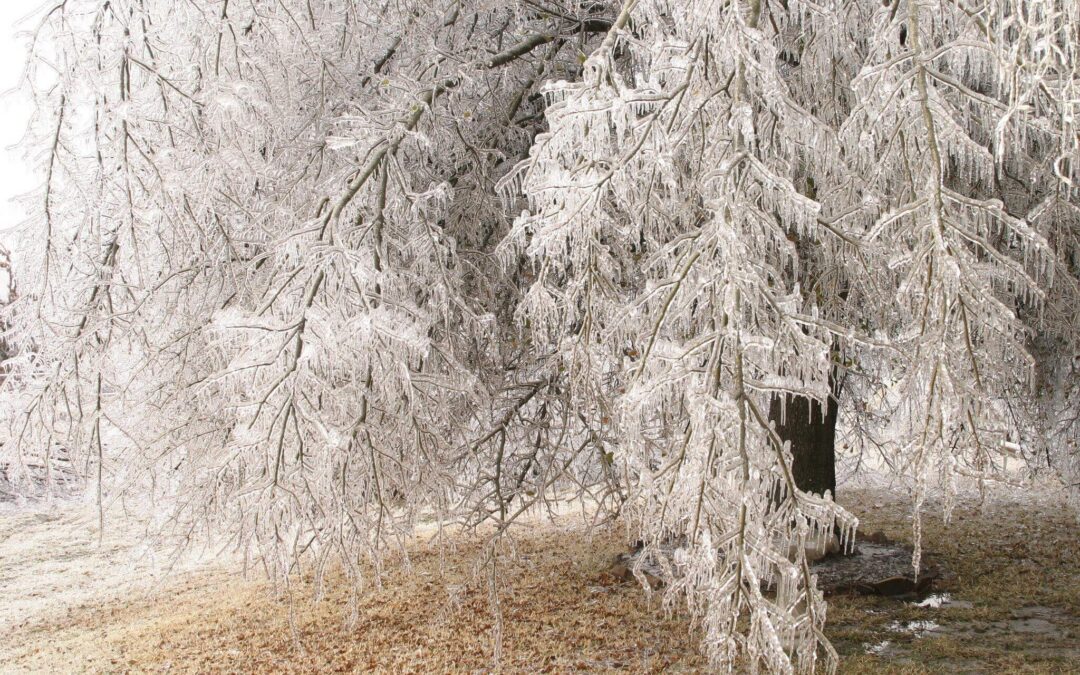
Winter in Western North Carolina brings unpredictable weather, with temperatures frequently shifting between freezing nights and warmer afternoons. While these fluctuations may seem harmless, they can create serious challenges for mature trees. Ice accumulation, repeated freezing and thawing, and sudden temperature changes can weaken branches, damage bark, and increase the risk of tree failure.
For homeowners in Hendersonville and surrounding Western NC communities, understanding how winter weather affects trees is essential for preventing property damage and preserving healthy landscapes.
At Epperson Tree Service, we help property owners protect their trees through professional inspections, preventative maintenance, and emergency tree care.
How Freeze-Thaw Cycles Affect Mature Trees
A freeze-thaw cycle occurs when temperatures rise above freezing during the day and drop below freezing at night. These repeated temperature changes can place stress on trees, particularly those with existing structural weaknesses.
Bark Cracking and Winter Injuries
During sunny winter afternoons, exposed tree bark can warm significantly. When temperatures suddenly fall overnight, rapid cooling can cause the outer wood and bark to contract unevenly, sometimes resulting in frost cracks.
These vertical cracks may extend along the trunk, creating openings that expose vulnerable wood to moisture, insects, and decay organisms.
Mature trees with previous injuries or existing cracks may be particularly susceptible to additional damage.
Ice Accumulation and Branch Failure
Freezing rain creates another serious threat. As ice accumulates on branches, its weight can place tremendous pressure on the tree’s structure.
Large, mature trees often have extensive canopies that collect significant amounts of ice. Branches with weak attachments, internal decay, or previous storm damage face an increased risk of breaking.
Professional tree pruning services can help reduce these hazards by removing compromised branches and improving overall tree structure before severe weather arrives.
Why Mature Trees Are Especially Vulnerable During Ice Storms
Although established trees typically have extensive root systems and strong trunks, age alone does not guarantee protection against winter weather.
Several characteristics can make mature trees more vulnerable to ice damage:
- Large canopies: Extensive branches provide more surface area for ice accumulation.
- Existing decay: Internal deterioration can reduce structural strength.
- Weak branch attachments: Narrow branch unions may split under additional weight.
- Previous storm damage: Older injuries can create structural vulnerabilities.
- Compacted or saturated soil: Poor root conditions may reduce stability during severe weather.
Homeowners should pay particular attention to mature trees growing near houses, garages, driveways, and outdoor gathering areas.
Through professional tree and shrub health services, Epperson Tree Service can help identify potential problems before winter storms make them more dangerous.
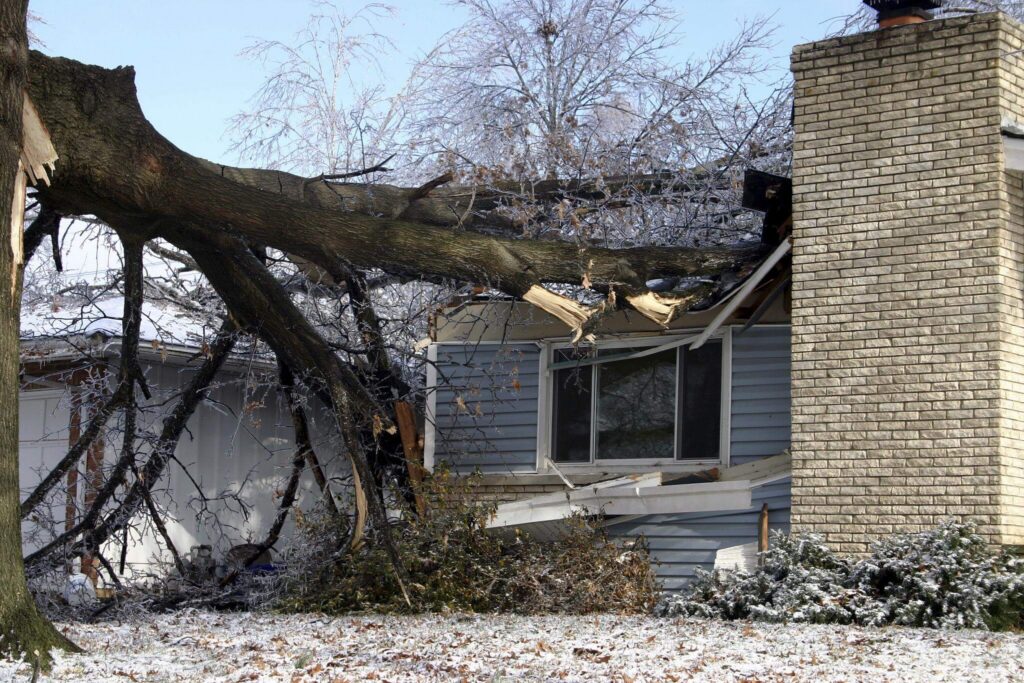
Warning Signs of Winter Tree Damage
Ice storm damage isn’t always immediately obvious. Some trees experience broken branches during the storm, while others develop problems that become noticeable weeks or months later.
Watch for the following warning signs:
Cracked or Hanging Branches
Large branches that appear split, partially detached, or suspended within the canopy require professional attention. Even after ice melts, damaged limbs may fall unexpectedly.
Splits Along the Trunk
Vertical trunk cracks can indicate frost injury or existing structural weaknesses. Deep cracks, particularly those associated with movement or separation, deserve closer inspection.
Sudden Leaning or Soil Movement
A tree that develops a new lean following a winter storm may have experienced root damage. Raised soil around the base can also indicate instability.
Unusual Branch Dieback
Branches that fail to produce leaves in spring may have suffered winter injuries or experienced underlying health problems.
If these warning signs appear, professional tree removal and trimming services can help determine whether corrective maintenance or removal is necessary.
How to Protect Mature Trees Before the Next Ice Storm
Preventative care is one of the most effective ways to reduce winter tree damage in Western North Carolina.
Schedule Preventative Pruning
Removing dead, damaged, and poorly attached branches reduces potential failure points. Proper pruning also improves structural balance without unnecessarily compromising the tree’s natural form.
Consider Structural Tree Cabling
Some mature trees develop multiple trunks or heavy branches that require additional support.
Professional tree cabling services can reinforce selected structural weaknesses while helping preserve valuable trees that might otherwise face increased storm-related risks.
Cabling cannot eliminate every hazard, but it can be a useful component of a comprehensive tree management plan.
Monitor Tree Health Throughout the Year
Healthy trees are generally better equipped to tolerate environmental stress. Regular inspections can identify insect infestations, diseases, soil problems, and declining structural conditions.
Addressing these concerns before winter can help improve long-term tree resilience.
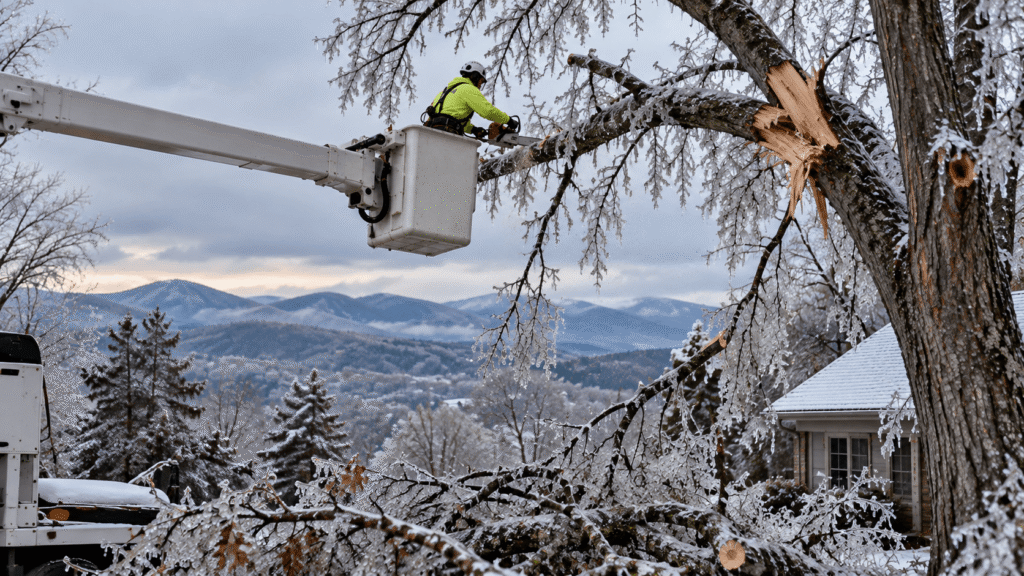
What to Do After an Ice Storm in Western NC
Once an ice storm passes, homeowners should carefully assess their property from a safe distance.
Never attempt to shake ice-covered branches, climb damaged trees, or remove limbs touching electrical lines. Ice-loaded branches can break suddenly, even when the weather begins warming.
For fallen trees, dangerously suspended branches, or immediate hazards, Epperson Tree Service provides 24/7 emergency tree services in Hendersonville and surrounding areas.
Professional evaluation is especially important when large trees have been damaged near buildings or other valuable structures.
Trust Epperson Tree Service for Winter Tree Care in Western North Carolina
Freeze-thaw cycles and ice storms are unavoidable parts of winter in Western North Carolina, but significant tree damage isn’t always inevitable.
Regular inspections, strategic pruning, and appropriate structural support can help preserve mature trees while reducing hazards around your property.
With more than 20 years of experience, Epperson Tree Service provides professional tree care solutions for homeowners throughout Hendersonville and surrounding Western NC communities.
Whether you need preventative pruning, structural tree support, or emergency storm cleanup, our team is ready to help.
Contact Epperson Tree Service today at (828) 606-4980 to schedule a tree assessment and prepare your property for the next winter storm.

