
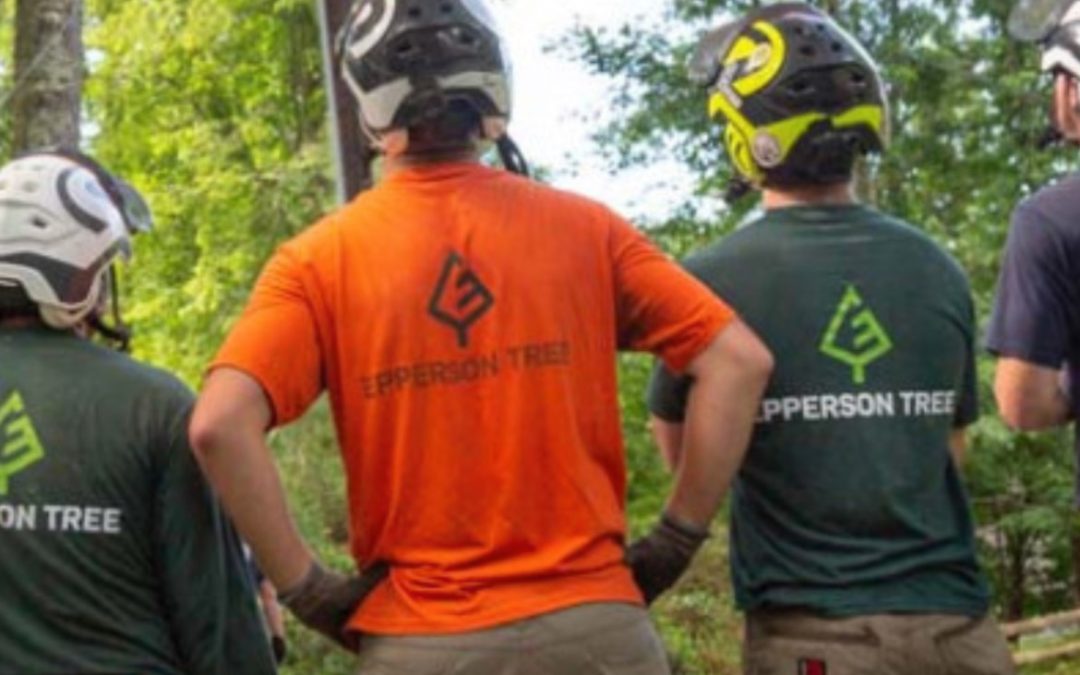
Hurricanes can leave a trail of destruction in their wake. Fallen trees are a common sight after such a storm.
But what do you do when a tree falls on your property?
This guide will walk you through safely removing fallen trees after a hurricane. It’s not just about clearing the mess, but about doing it safely and efficiently.
By the end of this guide, you’ll be equipped with the knowledge to tackle storm damage tree cleanup.
Assessing the Damage and Ensuring Safety
Safety is always the top priority after a storm. Before any tree removal begins, it’s crucial to assess the area for potential hazards.
Look for downed power lines. These pose a serious risk and should only be handled by professionals. Avoid the area until it is secured by utility crews.
Examine trees for stability. A leaning or partially fallen tree can be unpredictable and dangerous.
When assessing the damage, keep these points in mind:
- Check for weakened or dead branches hanging overhead.
- Inspect the base of trees for signs of uprooting.
- Be cautious of unstable ground around the tree.
Wear appropriate safety gear, such as gloves, hard hats, and safety glasses. This will help protect against injuries during storm damage cleanup.
Finally, confirm that the weather is safe to begin the cleanup process. Avoid working in high winds or heavy rain to minimize the risk of accidents.
Preparing for Tree Removal
Effective preparation is key to successful storm damage tree cleanup. Before you start, ensure you have a clear plan in place. This will help streamline the process and keep everyone safe.
First, assemble a team of helpers. Working in a group is more efficient and ensures that roles can be assigned and tasks shared. Clear communication within the team is essential to avoid mishaps.
Gather the necessary equipment for the tree removal job. Essential tools include chainsaws, pole saws, and hand saws. Ensure that all tools are in good working order and have been properly maintained.
In addition to tools, prepare your surroundings. Remove small debris from the area to avoid tripping hazards and make a clear path for safe work.
The Right Tools for the Job
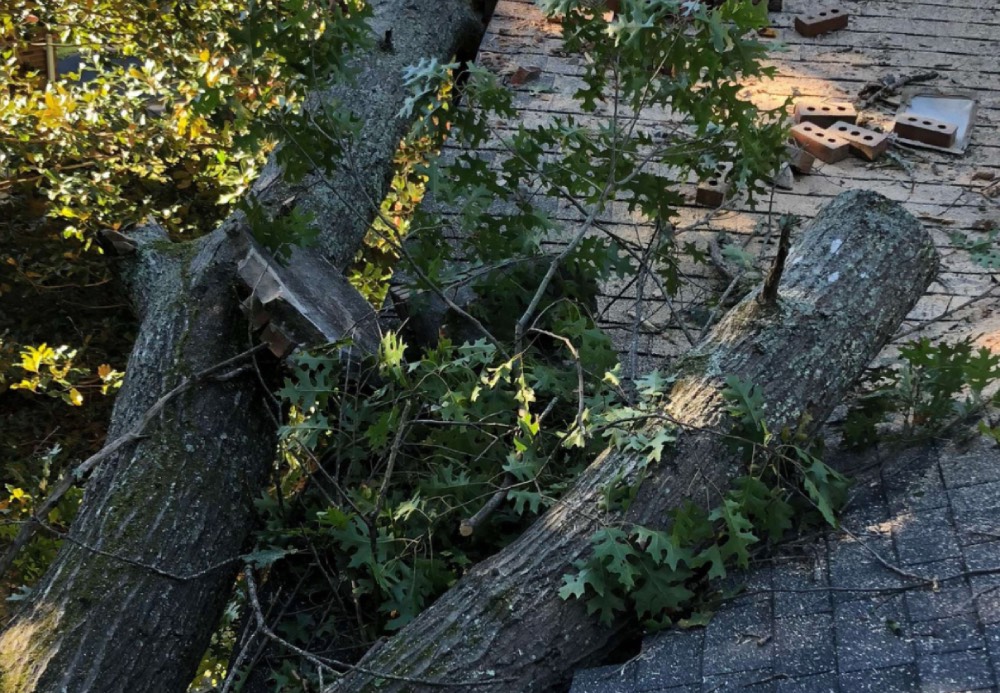
Having the correct tools is crucial for storm damage tree cleanup. Not only do the right tools make the job easier, but they also increase safety. Using improper equipment can lead to injuries and complicate the process.
Start with a high-quality chainsaw. Chainsaws are ideal for large tree removal tasks, particularly when dealing with thick trunks. Ensure the chainsaw is well-maintained and that you are familiar with its operation.
Additional tools are also necessary for a comprehensive approach:
- Pole saws for reaching higher branches
- Hand saws for precise cuts
- Rope and pulleys for controlling larger sections
Having these tools at your disposal will make the job more manageable. Each tool serves a specific purpose, so use them judiciously. Proper training in their use is essential to ensure both efficiency and safety during your storm damage cleanup efforts.
Step-by-Step Guide to Removing Fallen Trees
Start your storm damage cleanup by conducting a safety assessment of the area. Look for potential hazards like downed power lines or unstable structures. Safety should always be your top priority.
Once the area is deemed safe, begin clearing away small debris. This step facilitates easier access to the larger fallen trees. Proper lifting techniques help prevent personal injuries, so be mindful of your posture and movements.
Now, focus on the primary task of tree removal. Use your tools to cut the tree into manageable sections. Begin with the branches before moving to the trunk. Cutting the tree into smaller pieces makes handling and removing it much easier.
Work in a team whenever possible. Assign specific roles, ensuring everyone knows their responsibilities. Clear communication is essential to prevent accidents and increase efficiency during the cleanup process.
If the tree is partially fallen, stabilize it before proceeding. Use ropes or pulleys to secure it in place. This extra measure ensures the tree doesn’t shift unexpectedly, reducing the risk of further damage or injury.
Always take regular breaks to stay refreshed. Hydration and rest are crucial during physically demanding tasks. Completing your storm debris removal task safely is the ultimate goal.
When to Call the Professionals: Recognizing the Need for Expert Help
Sometimes storm damage cleanup can be overwhelming. Large trees or those near power lines pose serious risks. In such cases, seeking professional tree service is crucial for safety.
Certified arborists possess the skills and tools to handle complex tree removal. They can safely assess structural risks and navigate challenging situations. Professional help ensures the job is done efficiently and securely.
Professional grading and excavating services are also valuable for larger-scale debris removal. They can handle extensive storm debris removal and even aid in land clearing. Remember, safety and expertise should never be compromised when dealing with hazardous conditions.
Dealing with Debris: Disposal and Recycling Options
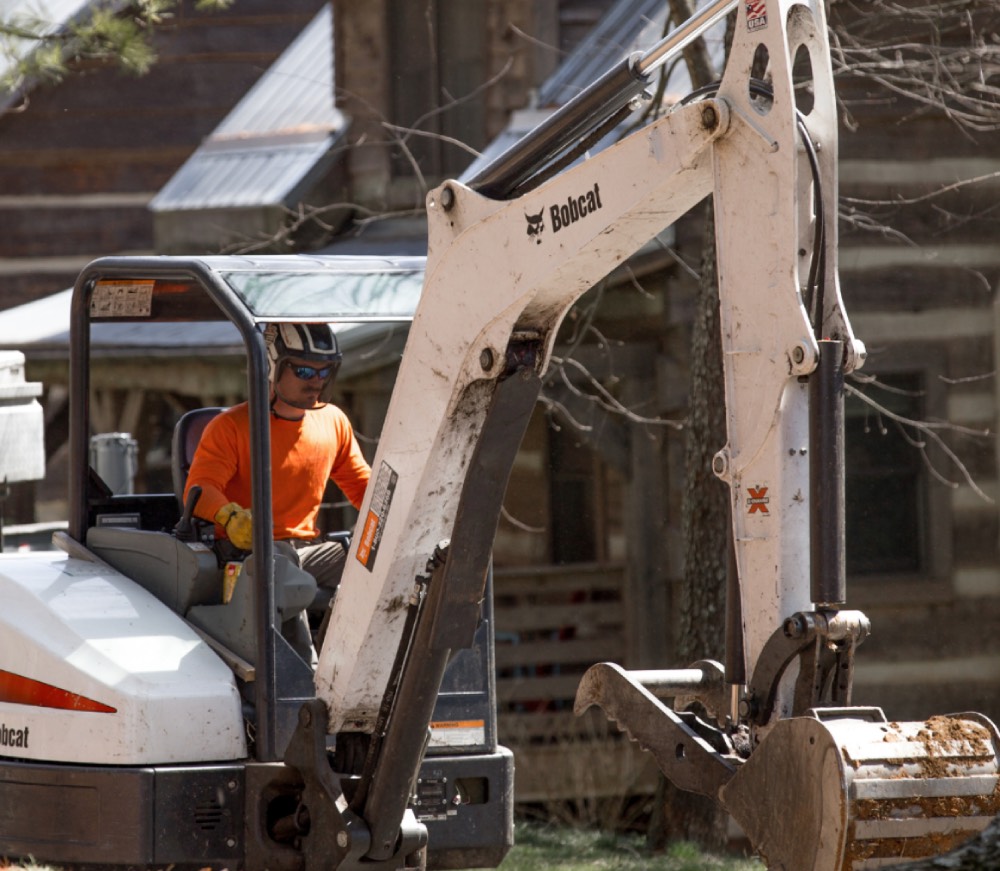
Managing storm debris requires careful consideration and planning. Simply piling up branches and logs is not enough. Knowing how to dispose of or recycle debris appropriately is essential to avoid environmental harm.
There are several eco-friendly options for storm debris disposal. Many communities offer dedicated storm debris removal services, ensuring proper handling. Alternatively, consider recycling options that can even benefit the environment.
- Chipping: Turn branches into mulch for gardens or landscaping.
- Composting: Use smaller twigs and leaves to create nutrient-rich compost.
- Wood Repurposing: Salvage wood for firewood or lumber projects.
Proper storm damage tree cleanup involves more than tree removal; it’s about responsible debris management. Explore recycling and disposal options that align with local regulations and environmental considerations.
Navigating Insurance and Legal Considerations
Understanding your insurance coverage is crucial after a storm causes tree damage. Check your homeowner’s policy to see what storm damage cleanup it covers. Often, policies include fallen tree removal if the tree poses a threat or damages structures.
Documentation plays a vital role in filing insurance claims. Take clear photos of the storm-damaged areas and fallen trees. This evidence supports your claim and can expedite the reimbursement process.
Legal considerations can arise during tree removal, especially regarding property lines. Ensure compliance with local laws regarding land clearing and debris disposal. Consulting with legal professionals or local authorities may be beneficial to avoid potential legal issues.
Conclusion: Restoring Your Property and Peace of Mind
Dealing with storm damage is undoubtedly challenging, but proper planning can ease the burden. A methodical approach to tree removal and debris management ensures safety and efficiency. It also helps reclaim your space with minimal stress.
A coordinated cleanup effort brings the neighborhood together and boosts morale. Working as a team with family, friends, or community members can make a significant difference. The shared experience often speeds up the recovery process.
Lastly, securing your property is the first step towards restoring peace of mind after a hurricane. Through preparation, professional help, and community support, it becomes possible to overcome nature’s fury. Prioritize safety and well-being to help rebuild not just physically, but emotionally.
For expert tree removal and lot clearing services in Hendersonville, contact Epperson Tree Service today!

