
Many homeowners hesitate when faced with the decision to remove a tree. Whether it’s a large oak that’s been part of the landscape for decades or a tree that still appears relatively healthy, delaying removal can feel like the easier option. However, waiting too long to address a hazardous, diseased, or dying tree often leads to consequences that are far more expensive than proactive action.
In Western North Carolina, where storms, steep terrain, and mature tree populations are common, postponing tree removal can create significant risks for both property and personal safety. Understanding the hidden costs associated with delaying tree removal can help homeowners make informed decisions before a manageable situation becomes an emergency.
Small Problems Often Become Big Problems
Trees rarely fail without warning. In many cases, there are early signs that a tree is declining or becoming structurally compromised. Dead branches, visible decay, leaning trunks, root damage, and fungal growth can all indicate underlying issues.
Unfortunately, these problems tend to worsen over time. A small area of decay can spread throughout the trunk, weakening the tree’s structural integrity. Minor storm damage can develop into major fractures. What might have been a straightforward removal today could become a much more complicated and expensive project a year from now.
Addressing tree issues early often allows for safer, more efficient removal before conditions deteriorate.
Increased Risk of Property Damage
One of the most significant costs associated with delaying tree removal is the potential for property damage.
A weakened tree can fall unexpectedly during high winds, heavy rain, snow, or ice storms. When this happens, homes, garages, sheds, vehicles, fences, and utility lines are often in the path of destruction.
Even a large branch failure can cause thousands of dollars in repairs. Roof damage, broken windows, crushed gutters, and damaged HVAC systems are common consequences of falling limbs. In severe cases, entire trees can penetrate roofs and create structural damage that requires extensive reconstruction.
Compared to the cost of repairing storm-related damage, preventative tree removal is often a much more affordable investment.
Emergency Tree Removal Is More Expensive
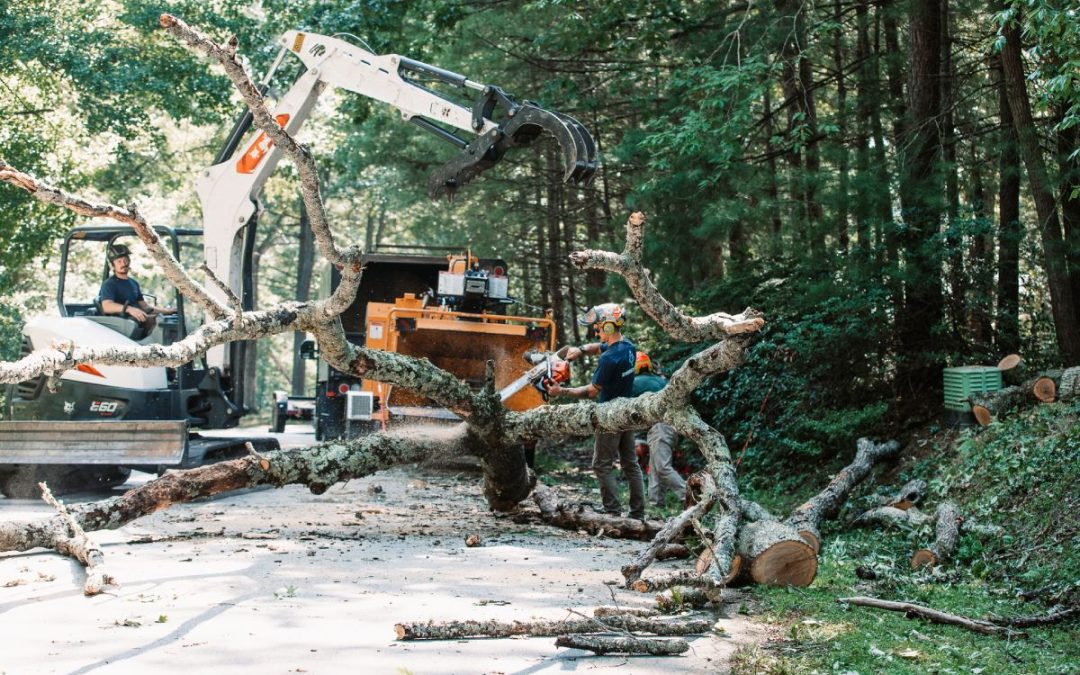
When a tree becomes an immediate hazard, homeowners may require emergency removal services. Emergency work often involves additional equipment, rapid response scheduling, difficult access conditions, and heightened safety precautions.
As a result, emergency tree removal typically costs more than planned removals.
If a tree falls during a storm or threatens a structure after severe weather, homeowners may have limited options and little time to compare service providers. Acting proactively allows property owners to schedule removal under normal conditions, often reducing overall costs while avoiding the stress of an emergency situation.
Potential Insurance Complications
Many homeowners assume insurance will fully cover any damage caused by a fallen tree. While insurance may help in certain situations, coverage can vary depending on the circumstances.
If there is evidence that a tree was dead, diseased, or obviously hazardous before it fell, insurance companies may scrutinize the claim more closely. In some cases, homeowners could be responsible for costs that might have been avoided through proper maintenance.
Additionally, even when insurance covers repairs, deductibles, premium increases, and claim-related complications can create financial burdens that many property owners would rather avoid.
Regular tree inspections and timely removal of hazardous trees can help reduce these risks.
Damage to Nearby Healthy Trees
Problem trees don’t only threaten structures. They can also negatively affect surrounding vegetation.
Diseased trees may spread infections to nearby healthy trees. Certain pests and fungal diseases can move from one tree to another, creating larger problems throughout the landscape.
When a declining tree eventually falls, it can damage neighboring trees by breaking branches, stripping bark, or causing root disruption. Protecting the overall health of your landscape sometimes requires removing a problematic tree before it affects the rest of your property.
Safety Risks for Family and Visitors
Beyond financial considerations, delaying tree removal can create serious safety hazards.
Falling limbs can injure family members, guests, neighbors, or pets. Trees located near driveways, walkways, patios, and outdoor living areas pose particular concerns because these areas experience frequent activity.
Even without a complete tree failure, large dead branches can break unexpectedly and fall from significant heights. Taking action before an accident occurs helps protect everyone who spends time on your property.
Declining Curb Appeal and Property Value
A dead or visibly deteriorating tree can negatively impact a property’s appearance. Potential buyers often view hazardous trees as future expenses and safety concerns, which may reduce the attractiveness of a home on the market.
Maintaining a healthy, well-managed landscape helps preserve curb appeal and can contribute positively to property value. Removing dangerous or unsightly trees often improves the overall appearance of the property and creates opportunities for new landscaping improvements.
Don’t Wait Until It’s an Emergency
While it may be tempting to postpone tree removal, doing so often leads to higher costs, greater risks, and fewer options. What begins as a manageable issue can quickly become a costly emergency after a storm or unexpected tree failure.
At Epperson Tree Service, we help homeowners throughout Western North Carolina identify hazardous trees and make informed decisions about removal. Through professional inspections, expert recommendations, and safe removal services, we help protect homes, families, and landscapes before problems escalate. If you have concerns about a tree on your property, addressing the issue today may save you significant time, money, and stress in the future.

