

Removing a tree is often only the first step in transforming your property. Once the trunk and branches are gone, homeowners are left with an important decision: what should happen to the stump and the surrounding area? While it may be tempting to leave the remaining stump in place, doing so can create safety hazards, attract pests, and limit your future landscaping options.
Whether you’re preparing for new construction, expanding your yard, or simply improving your property’s appearance, understanding the differences between stump grinding, stump removal, and land clearing can help you choose the right solution.
Why You Shouldn’t Leave a Tree Stump Behind
At first glance, a stump may seem harmless, but it can create a variety of problems over time.
Old stumps may:
- Become tripping hazards
- Attract termites and other insects
- Encourage fungal growth
- Produce unwanted sprouts
- Interfere with mowing
- Limit landscaping projects
- Reduce curb appeal
Removing the stump allows you to fully reclaim the space while preventing future maintenance issues.
Understanding Stump Grinding
Stump grinding is one of the most common solutions after tree removal.
Using specialized equipment, professionals grind the stump several inches below ground level, turning it into small wood chips while leaving most of the root system underground.
Benefits of Stump Grinding
Stump grinding offers several advantages:
- Fast completion
- Minimal disturbance to the yard
- Lower cost than full removal
- Easier cleanup
- Immediate improvement in appearance
- Allows grass or landscaping to be installed over the area
For many homeowners, stump grinding provides the ideal balance between efficiency and affordability.
When Complete Stump Removal Is the Better Option
In some situations, simply grinding the stump isn’t enough.
Complete stump removal involves extracting both the stump and the major root system from the ground.
This option is often recommended when:
- Building a new home
- Installing a foundation
- Pouring concrete
- Constructing a driveway
- Installing underground utilities
- Correcting root-related drainage issues
Although more labor-intensive, complete removal ensures the area is entirely free of underground obstacles.
What Happens to the Roots?
One of the most common questions homeowners ask is whether roots continue growing after a tree is removed.
In most cases:
- Roots gradually decay over time.
- Most species stop actively growing once the tree is removed.
- Some species may produce root sprouts for a period.
- Larger roots naturally decompose over several years.
If future construction is planned, removing major roots may still be necessary depending on the project.
Using Wood Chips After Grinding
Stump grinding produces a large amount of wood chips.
Rather than disposing of them immediately, many homeowners choose to reuse them around the property.
Wood chips make excellent:
- Garden mulch
- Tree mulch
- Walking paths
- Natural weed barriers
- Compost ingredients
If you prefer a completely clean finish, professional crews can also haul the material away.
When Land Clearing Makes Sense
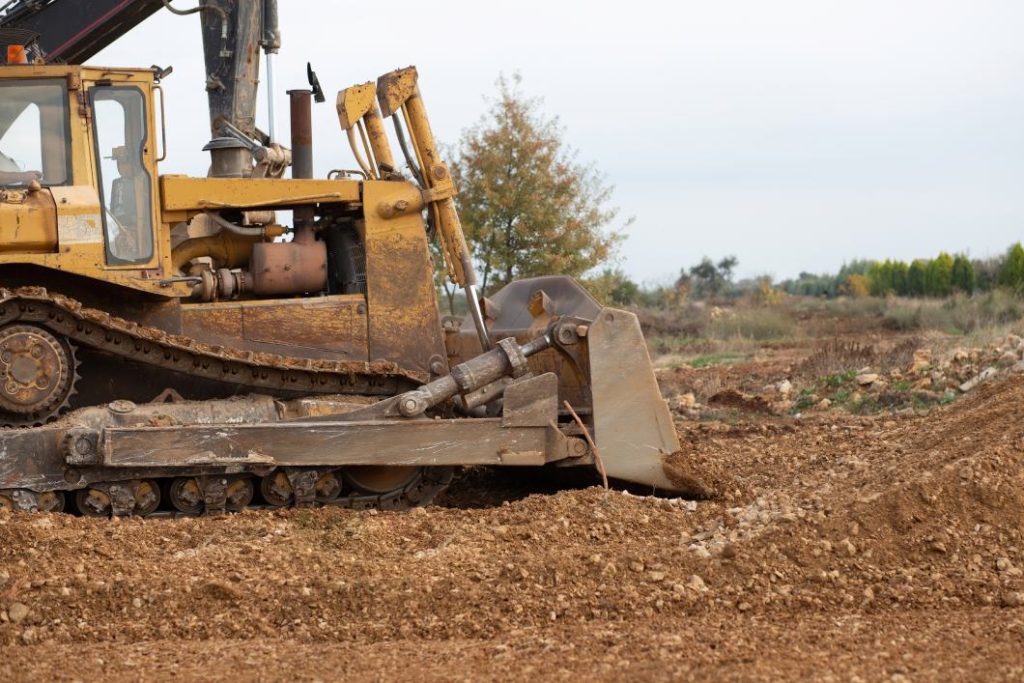
Sometimes tree removal is part of a much larger project.
Land clearing becomes necessary when preparing property for:
- New home construction
- Building additions
- Driveways
- Outdoor living spaces
- Agricultural use
- Commercial development
- Large landscaping renovations
Unlike simple tree removal, land clearing addresses the entire area by removing brush, shrubs, saplings, invasive vegetation, and other obstacles.
The Importance of Proper Site Cleanup
After tree work is complete, professional cleanup makes a significant difference in how quickly the property can be used.
Cleanup may include:
- Hauling away logs
- Removing branches
- Collecting debris
- Raking wood chips
- Filling stump holes
- Leveling disturbed soil
A clean site is safer, more attractive, and ready for whatever comes next.
Preparing the Area for Future Landscaping
Once stumps and debris have been removed, homeowners have far more flexibility in designing their outdoor spaces.
The newly cleared area can be used for:
- Sod installation
- Flower beds
- Vegetable gardens
- Patios
- Fire pits
- Outdoor kitchens
- Driveways
- Play areas
Proper grading after stump removal also helps prevent drainage problems and uneven settling.
Don’t Forget About Soil Restoration
Heavy equipment used during tree removal can sometimes compact the soil.
Before planting new grass or landscaping, professionals may recommend:
- Adding fresh topsoil
- Aerating compacted ground
- Regrading low spots
- Improving drainage
- Applying mulch
- Seeding disturbed areas
Restoring healthy soil encourages stronger plant growth and creates a more attractive finished landscape.
Choosing the Right Solution for Your Property
Every property has different goals. A homeowner replacing a single tree in the front yard has very different needs than someone preparing several acres for construction.
Factors to consider include:
- Future building plans
- Budget
- Property size
- Landscaping goals
- Tree species
- Root size
- Desired timeline
A professional assessment helps determine whether stump grinding, complete removal, or full land clearing is the best long-term investment.
Complete the Job the Right Way
Tree removal is only one step in improving your property. Addressing the remaining stump, restoring the site, and preparing the land for future use ensures you get the most value from your investment. Whether your goal is creating a safer yard, improving curb appeal, or preparing for a major construction project, completing the process properly helps prevent future problems and opens the door to new possibilities.
By working with experienced professionals, homeowners in Western North Carolina can move seamlessly from tree removal to stump grinding, land clearing, and final site preparation—leaving their property clean, functional, and ready for whatever comes next.

