
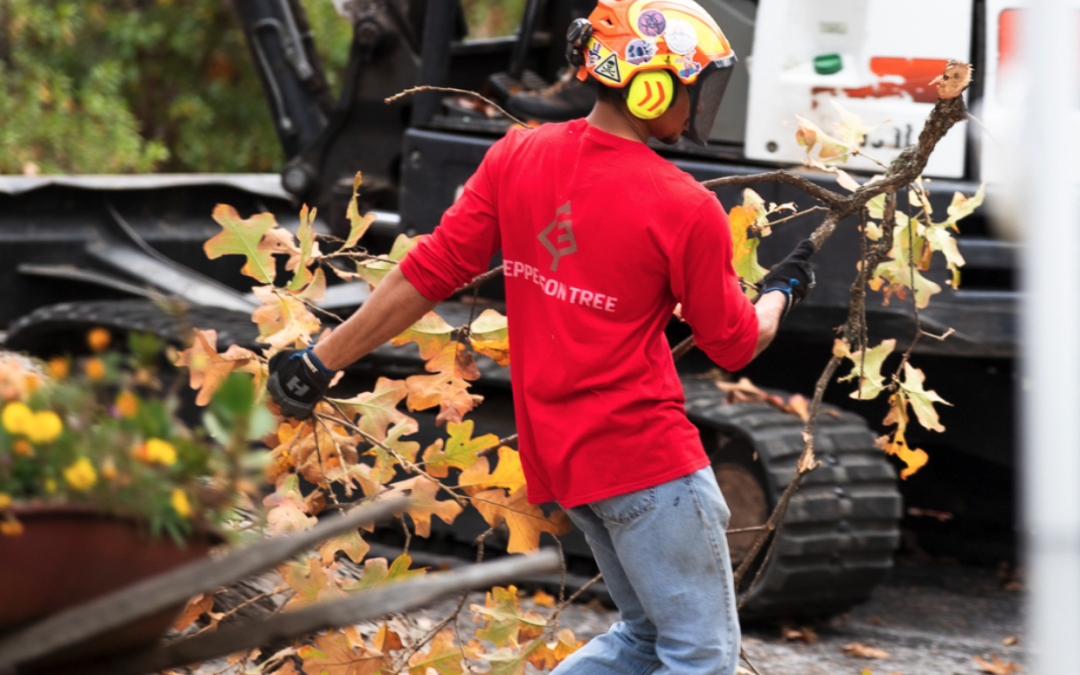
Land clearing is a thorough process that involves the removal of trees, shrubs, and other vegetation to prepare a plot of land for new use. This process is typically employed for large-scale projects such as agriculture, construction, or landscaping.
The goal of land clearing is to create a blank slate for further development. It transforms the landscape, allowing for the introduction of new infrastructure or agricultural practices that require open space. Land clearing can also involve the removal of obstacles like rocks and debris to ensure the area is fully prepared for its intended use.
Techniques and Tools for Land Clearing
Land clearing can be accomplished using various techniques and tools, depending on the size and scope of the project. Common methods include:
- Bulldozing: This involves using heavy machinery to push over trees and vegetation. It’s a quick method for clearing large areas, but can be disruptive to the soil, potentially leading to erosion or compaction issues if not managed correctly. Bulldozers are effective for clearing dense vegetation, but they require skilled operators to minimize environmental impact.
- Mulching: This method uses specialized machinery to grind trees and shrubs into mulch, leaving behind a layer that can enrich the soil. Mulching is often seen as an environmentally friendly option as it recycles the biomass back into the land, providing nutrients and reducing waste. It also helps control soil erosion by maintaining a protective layer over the ground.
- Controlled Burning: In some cases, controlled fires are used to clear land. This method requires careful planning and permits to prevent unintended damage. Controlled burning can effectively clear land and improve soil health by returning nutrients to the soil, but it must be conducted under strict safety regulations to prevent wildfires.
Each technique has pros and cons, so it’s essential to assess the specific needs of your project and consult with professionals when necessary. Factors such as soil type, local regulations, and the intended future use of the land will guide the choice of technique.
What Is Tree Removal?
Tree removal is a more precise operation, focusing on eliminating individual trees that may pose a risk or obstruct development. This service is often sought for safety reasons, aesthetic improvement, or to make space for new construction. Unlike land clearing, tree removal often involves the careful consideration of each tree’s health, location, and potential impact on its surroundings. The decision to remove a tree is not taken lightly, as trees contribute significantly to the environment and aesthetics of a property.
Reasons for Tree Removal
There are several scenarios where tree removal might be necessary:
- Safety Concerns: Dead or diseased trees can fall unexpectedly, posing a threat to people and property. Regular inspections can help identify hazardous trees before they cause damage, allowing for timely removal. In areas prone to storms or high winds, removing vulnerable trees can prevent accidents.
- Aesthetic Reasons: Sometimes, trees may block scenic views or clash with planned landscaping designs. Removing certain trees can enhance the property’s visual appeal, allowing for more light or better views. Strategic removal can also help in maintaining the health and aesthetics of the remaining trees by reducing competition for resources.
- Space for Development: Trees may need to be removed to make way for new structures or extensions. In urban areas, space is often at a premium, and removing trees can be necessary to accommodate new buildings, driveways, or recreational areas. However, it’s important to balance development needs with ecological considerations.
Professional tree removal companies have the expertise and tools to safely and efficiently remove unwanted trees. They can also provide advice on tree preservation and replacement planting, helping to maintain environmental balance.

Key Differences Between Land Clearing and Tree Removal
While both processes involve tree removal, the scope and purpose differ significantly. Understanding these differences can help property owners and managers make informed decisions that align with their goals and environmental responsibilities.
Scale of Operation
- Land Clearing: Typically covers large areas and involves removing all vegetation. This broad approach is suitable for projects where the entire landscape needs to be transformed or repurposed. It often requires coordination with multiple stakeholders, including environmental agencies and local authorities.
- Tree Removal: Focuses on individual trees or small groups, often within an existing landscape. This targeted approach is more about managing specific issues rather than altering the entire landscape. It requires careful planning to ensure the removal does not negatively impact the surrounding environment.
Purpose
- Land Clearing: Prepares land for new uses such as agriculture or construction. The objective is to make the land suitable for its intended purpose, whether that’s planting crops, building structures, or developing recreational facilities. This often involves significant changes to the landscape’s topography and ecosystem.
- Tree Removal: Addresses specific issues such as safety, aesthetics, or space requirements. The goal is to resolve particular concerns without unnecessary disruption to the environment. This might involve selective removal to improve light levels, reduce risk, or enhance property value.
Techniques Used
- Land Clearing: Employs heavy machinery and may involve additional methods like mulching or burning. These techniques are chosen based on efficiency, cost, and environmental considerations. The choice of technique can significantly impact the surrounding ecosystem and soil quality.
- Tree Removal: Utilizes specialized tools for precision cutting and removal. Arborists often use climbing equipment, chainsaws, and cranes to safely remove trees with minimal impact on the surrounding area. This precision work requires skilled professionals to ensure safety and effectiveness.

When to Choose Land Clearing
Grading and excavating is suitable when you need to repurpose a large area of land. Common scenarios include:
- Agricultural Development: Preparing farmland by removing existing vegetation. Land clearing for agriculture involves creating fields ready for planting, often requiring soil preparation and irrigation planning. It’s crucial to consider sustainable practices to maintain soil health and biodiversity.
- Construction Projects: Creating a clear site for building homes, roads, or commercial structures. This often involves coordination with architects, engineers, and regulatory bodies to ensure compliance with zoning laws and environmental regulations. Proper planning can minimize the ecological footprint of construction activities.
- Environmental Management: Controlling invasive species or restoring native habitats. In some cases, land clearing is used to enhance biodiversity by removing non-native species that threaten local ecosystems. This requires careful planning to ensure native species are protected and encouraged to thrive.
In these cases, collaborating with a land clearing company ensures that the process is conducted efficiently and in compliance with environmental regulations. Professional services can provide the expertise needed to manage complex projects while minimizing negative environmental impacts.
When to Choose Tree Removal
Tree removal is the right choice for more focused needs, such as:
- Hazard Mitigation: Removing trees that threaten safety due to disease or structural instability. This proactive approach can prevent accidents and damage, ensuring the safety of people and property. Regular assessments by certified arborists can help identify trees that pose a risk.
- Landscape Design: Adjusting existing landscapes to improve visual appeal or accommodate new features. Tree removal can be part of a broader landscaping strategy that enhances the beauty and functionality of a property. It can also involve planting new trees that better fit the design vision.
- Property Development: Clearing specific trees to make space for new buildings or driveways. This targeted approach allows for development while maintaining the integrity of the surrounding environment. It’s important to consider local tree protection laws and potential impacts on local biodiversity.
Hiring a reputable tree service ensures that the removal is conducted safely and professionally, minimizing risks and preserving the integrity of the surrounding environment. Professional services can also provide guidance on tree preservation and planting, contributing to long-term sustainability.
Conclusion
Choosing between land clearing and tree removal is key to successful property management. Whether you’re planning a major project or addressing specific trees, working with professionals ensures efficient, responsible results. Trust Epperson Tree Service to guide you through the process with expert care and a commitment to sustainability. Contact us today to get started!

