
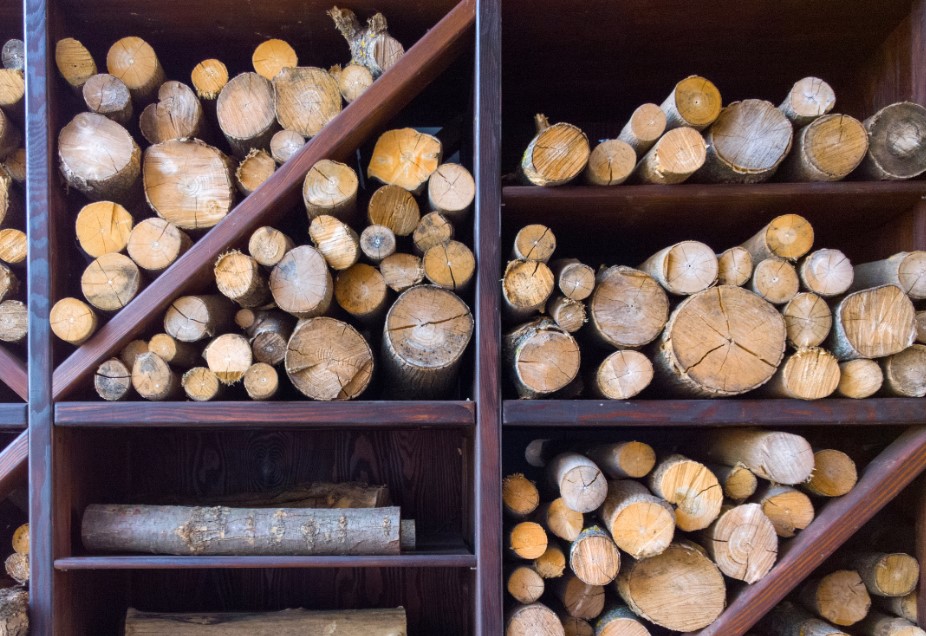
Nothing complements a cool Western North Carolina evening quite like a warm fire. Whether you’re heating your home with a wood-burning stove, enjoying a backyard fire pit, or relaxing beside a fireplace in your mountain cabin, choosing the right firewood can make a significant difference in safety, efficiency, and overall enjoyment.
Many homeowners assume that any piece of wood will burn well, but not all firewood is created equal. Some species produce long-lasting heat and clean burns, while others create excessive smoke, dangerous creosote buildup, or unpleasant odors. Understanding what to burn—and what to avoid—can help you get the most from your firewood while protecting your home and equipment.
At Epperson Tree Service, we regularly help homeowners throughout Western North Carolina manage trees and utilize wood resources effectively. Here’s what every homeowner should know about selecting quality firewood.
Why Firewood Selection Matters
The type of wood you burn affects more than just how easily your fire starts. Different species produce varying amounts of heat, smoke, sparks, and ash.
Burning high-quality firewood can:
- Generate more heat with less wood
- Reduce smoke production
- Minimize creosote accumulation in chimneys
- Improve indoor air quality
- Make fires easier to maintain
- Reduce the risk of chimney fires
Using poor-quality or improperly seasoned wood often leads to inefficient fires, increased maintenance, and unnecessary frustration.
The Best Firewood Species in Western North Carolina
Western North Carolina is home to several hardwood species that make excellent firewood. Hardwoods are generally preferred because they are denser than softwoods and provide longer-lasting heat.
Oak
Oak is widely considered one of the best firewood choices available. It burns slowly, produces substantial heat, and creates long-lasting coals that help maintain steady temperatures.
Red oak and white oak are both abundant throughout the region and are highly valued by homeowners who rely on wood heat during winter.
Hickory
Hickory is another premium firewood option. It burns hot, produces excellent heat output, and creates a pleasant aroma that many people enjoy.
Because of its density, hickory can be more difficult to split, but many homeowners consider the extra effort worthwhile.
Maple
Maple provides consistent heat and burns relatively cleanly when properly seasoned. It is often easier to split than some other hardwoods and works well in fireplaces and wood stoves alike.
Ash
Ash is known for being one of the easiest hardwoods to burn. It seasons relatively quickly and provides excellent heat output. Many homeowners appreciate ash because it lights easily and burns consistently.
Beech
Beech is another dense hardwood that generates substantial heat and burns for extended periods. When properly seasoned, it performs similarly to oak and hickory.
The Importance of Seasoned Firewood
Even the best firewood species perform poorly if they are not properly seasoned.
Freshly cut wood can contain significant amounts of moisture. Attempting to burn green wood often results in excessive smoke, poor heat production, and increased creosote buildup inside chimneys and flues.
Properly seasoned firewood typically dries for at least six to twelve months, depending on the species and storage conditions. Well-seasoned wood burns more efficiently, produces less smoke, and delivers greater heat output.
Signs that firewood is properly seasoned include:
- Visible cracks on the ends
- Lighter weight than freshly cut wood
- Bark beginning to loosen
- Hollow sound when pieces are struck together
Proper storage is equally important. Firewood should be stacked off the ground and protected from excessive moisture while allowing adequate airflow.
Firewood to Use with Caution
Some woods can be burned successfully but may not provide the same performance as premium hardwoods.
Softwoods such as pine, spruce, and fir ignite easily and are often useful for starting fires. However, they burn quickly and may produce more creosote than hardwoods when used as a primary fuel source.
While occasional use of properly seasoned softwoods is generally acceptable, homeowners who rely heavily on wood heat typically prefer hardwoods for their superior efficiency.
What You Should Never Burn
Choosing the wrong materials can create serious safety hazards and environmental concerns.
Pressure-Treated Lumber
Pressure-treated wood contains chemical preservatives that can release harmful toxins when burned. These materials should never be used in fireplaces, wood stoves, or fire pits.
Painted or Stained Wood
Paints, stains, and finishes can release dangerous fumes during combustion. Burning these materials may expose occupants to harmful chemicals and create air-quality concerns.
Plywood and Manufactured Wood Products
Plywood, particleboard, MDF, and similar products often contain adhesives and chemicals that are unsafe to burn.
Wet or Green Wood
Unseasoned wood creates excessive smoke and contributes to creosote buildup. Over time, this buildup can increase the risk of chimney fires.
Household Trash
Garbage, plastics, cardboard with coatings, and other household materials should never be burned in residential fireplaces or fire pits.
The Hidden Danger of Creosote
One of the most important reasons to burn quality firewood is to reduce creosote accumulation.
Creosote is a highly flammable residue that forms when smoke cools inside a chimney. Burning wet wood or low-quality fuel increases creosote production significantly.
As creosote accumulates, the risk of a chimney fire rises. Regular chimney inspections and cleanings, combined with properly seasoned firewood, help minimize this hazard.
Getting Firewood from Tree Removal Projects
Many homeowners are surprised to learn that tree removals can provide an excellent source of future firewood.
Hardwood trees removed from properties often contain valuable firewood that can be cut, split, seasoned, and stored for later use. Rather than hauling away every piece of wood, many property owners choose to keep portions of suitable trees for personal use.
A professional tree service can help identify which species are worth saving and provide guidance on proper processing and storage.
Burn Smarter and Stay Safe
The quality of your firewood directly affects your heating efficiency, safety, and overall fire experience. Choosing dense hardwoods, allowing sufficient seasoning time, and avoiding unsafe materials can help you enjoy cleaner-burning, longer-lasting fires throughout the year.
Whether you need tree removal, firewood recommendations, or professional tree care services, Epperson Tree Service proudly serves homeowners throughout Western North Carolina. Proper tree management not only improves the health and safety of your property—it can also provide a valuable source of quality firewood for years to come.

