
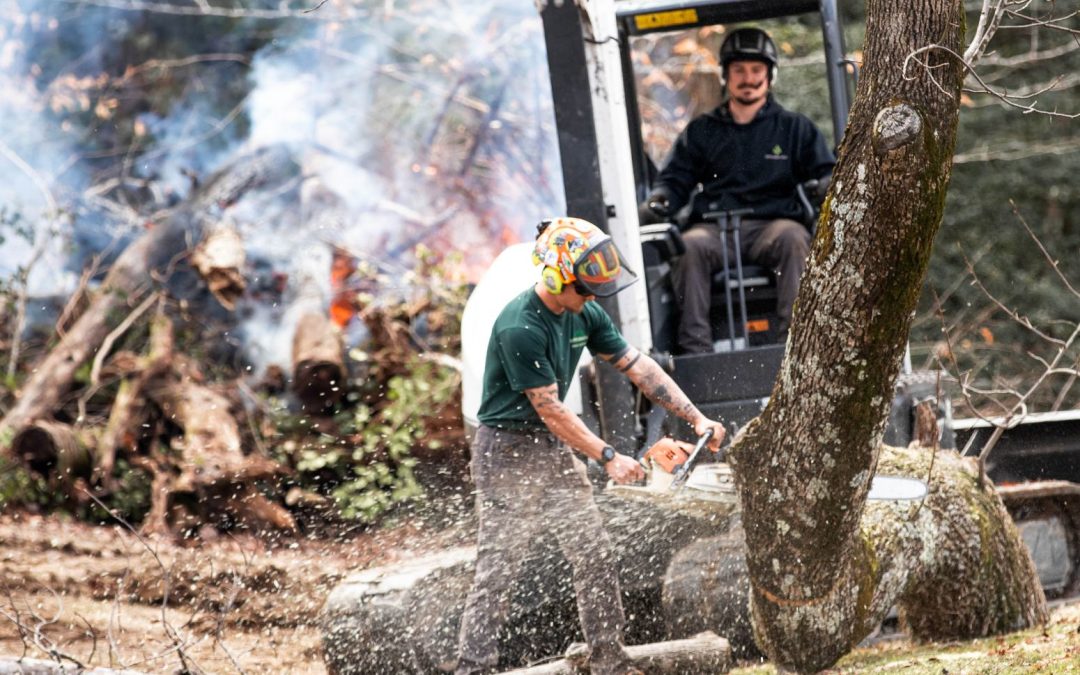
Preparing a property for construction, landscaping, or a major outdoor renovation takes more than simply clearing a few trees. Proper site preparation creates a stable foundation, prevents drainage issues, protects surrounding vegetation, and helps ensure your project stays on schedule. Whether you’re building a new home, adding a garage, installing a driveway, or redesigning your landscape, every stage of the process matters.
For property owners in Hendersonville, NC, the region’s rolling terrain, clay-rich soils, and mature tree canopy make professional site preparation especially important. Working through each step in the correct order helps avoid costly delays and unexpected problems once construction begins.
Start with a Property Assessment
Every successful project begins with a thorough evaluation of the property. Before any equipment arrives, professionals assess the land to determine:
- Tree locations and overall health
- Slopes and elevation changes
- Drainage patterns
- Existing vegetation worth preserving
- Utility lines and easements
- Rock outcroppings or other obstacles
This initial assessment helps determine exactly what needs to be removed and what should remain, allowing contractors to create a plan that minimizes unnecessary disturbance.
Remove Trees Strategically
Tree removal is often the first major step in site preparation. Rather than clearing everything, experienced crews identify which trees interfere with construction and which can safely remain.
Professional tree removal focuses on:
- Eliminating hazardous or diseased trees
- Removing trees within the building footprint
- Creating access for construction equipment
- Protecting nearby healthy trees
- Preventing damage to surrounding structures
Selective tree removal preserves the natural beauty of the property while providing adequate space for future development.
Address Stumps and Root Systems
Leaving stumps behind can create several long-term issues. Old stumps attract insects, become tripping hazards, interfere with grading, and may produce unwanted new growth.
Depending on the future use of the property, professionals may recommend:
- Stump grinding below ground level
- Complete stump removal
- Root system excavation
- Backfilling with clean soil
If foundations, driveways, or underground utilities are planned, complete removal is often the better long-term solution.
Clear Brush and Vegetation
After trees and stumps have been addressed, the remaining brush, shrubs, vines, and undergrowth should be removed.
Brush clearing provides several advantages:
- Improves visibility across the site
- Reduces fire hazards
- Removes invasive vegetation
- Creates room for equipment
- Makes surveying more accurate
Land clearing can also uncover hidden obstacles that would otherwise interfere with construction later.
Protect Trees You Want to Keep
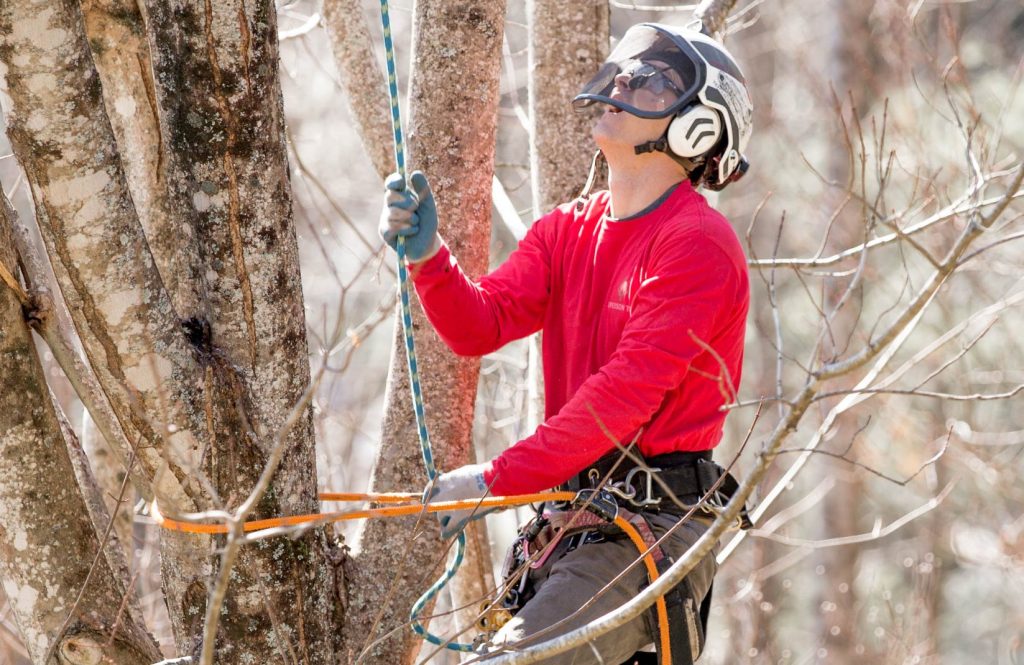
Not every tree should be removed during site preparation. Mature hardwoods often add value, shade, and curb appeal to a property.
Before heavy equipment enters the site, protective measures should be installed around retained trees, including:
- Root protection zones
- Temporary fencing
- Equipment exclusion areas
- Mulching over sensitive root systems
Protecting these trees during construction significantly improves their chances of remaining healthy for years after the project is complete.
Establish Proper Drainage
One of the most overlooked aspects of site preparation is water management.
Poor drainage can lead to:
- Foundation settlement
- Soil erosion
- Standing water
- Washed-out landscaping
- Basement moisture issues
Professionals evaluate natural water flow and reshape the site to move runoff safely away from future structures. This may include installing swales, drainage channels, culverts, or erosion-control measures.
Perform Rough Grading
Once clearing is complete, rough grading begins.
This stage reshapes the land to establish:
- Building elevations
- Driveway locations
- Proper slope
- Water runoff direction
- Stable working surfaces
Heavy equipment moves soil where necessary while removing excess material from high areas and filling low spots.
The goal is not to create a finished landscape but rather to prepare the property for construction.
Address Soil Stability
Western North Carolina properties often contain varying soil conditions that affect construction.
Before building begins, contractors may recommend:
- Soil compaction
- Importing structural fill
- Removing unstable soil
- Improving drainage beneath future structures
Proper soil preparation reduces the likelihood of settling, cracking, and other structural issues later.
Remove Construction Debris
A clean worksite improves both safety and efficiency.
Final cleanup typically includes removing:
- Logs
- Branches
- Brush piles
- Wood chips (unless requested)
- Rocks
- Excess soil
- Demolition debris
Clearing the site completely ensures contractors can begin the next phase without unnecessary delays.
Complete Final Grading
After construction or major excavation is complete, final grading prepares the property for landscaping.
This finishing step creates smooth transitions throughout the yard while ensuring proper drainage away from buildings.
Final grading also prepares the site for:
- Sod installation
- Seeding
- Mulch beds
- Retaining walls
- Hardscape features
- Driveway finishing
Proper finish grading improves both the appearance and long-term performance of the property.
Work with Experienced Site Preparation Professionals
Site preparation involves far more than simply removing trees. Each step builds on the previous one to create a stable, safe, and construction-ready property. Skipping stages or rushing the process often leads to expensive corrections later.
Whether you’re preparing land for a new home, expanding your property, or planning a large landscaping project in Hendersonville, partnering with experienced professionals ensures everything—from tree removal and stump grinding to land clearing and final grading—is completed efficiently and with long-term success in mind.

