
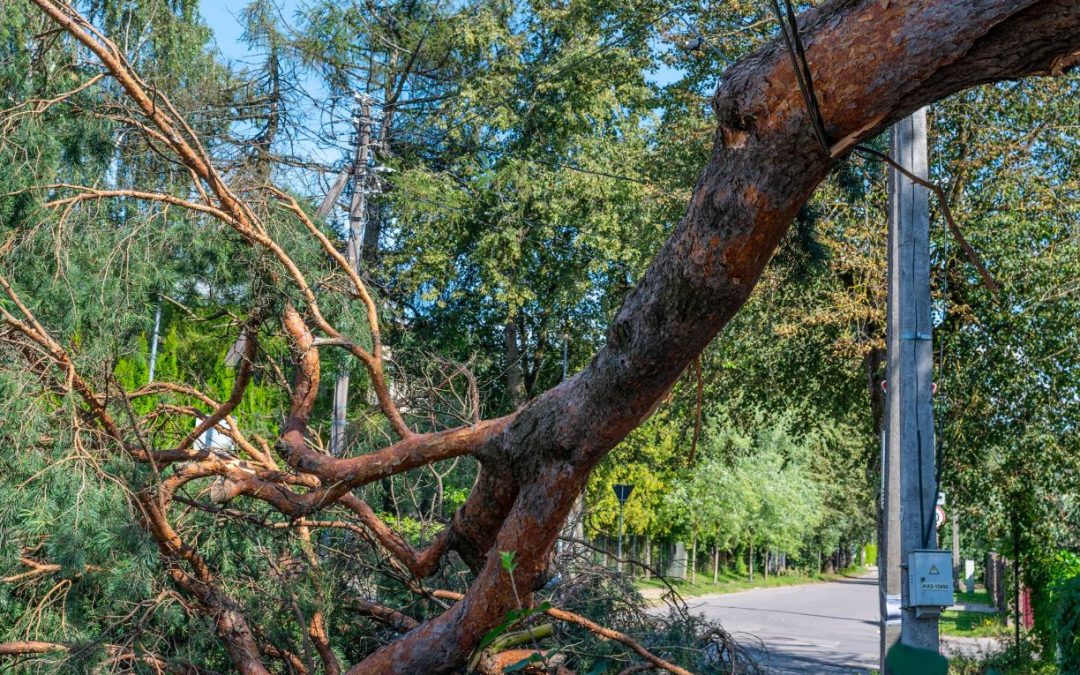
Western North Carolina may be hundreds of miles from the coast, but the region is no stranger to hurricanes and severe storms. As tropical systems move inland, they often bring powerful wind gusts, heavy rainfall, and saturated soil that can cause even healthy-looking trees to fail. Fallen trees and large limbs are among the leading causes of property damage during major storms, making proactive tree care an essential part of hurricane preparedness.
The best time to protect your property is well before storm season arrives. By identifying potential hazards early and addressing them professionally, you can significantly reduce the risk of costly damage and improve the overall health of your trees.
Why Storm Preparation Matters
Strong winds place enormous stress on trees, especially those that are already weakened by disease, decay, or poor structure. Saturated ground also reduces the stability of root systems, increasing the likelihood of trees uprooting during severe weather.
Storm preparation helps:
- Reduce the risk of falling limbs
- Protect homes and vehicles
- Improve tree stability
- Prevent damage to utility lines
- Increase safety for your family
- Minimize expensive emergency tree removal
Preventative maintenance is almost always less costly than dealing with storm damage afterward.
Schedule a Professional Tree Inspection
Many hazardous trees show warning signs long before they fail, but these problems aren’t always obvious to homeowners.
During a professional inspection, arborists evaluate:
- Structural integrity
- Dead or weakened limbs
- Trunk defects
- Root stability
- Signs of disease
- Insect damage
- Leaning trees
- Branches growing over structures
Identifying these issues before severe weather arrives gives homeowners time to address them safely.
Remove Dead or Dying Branches
Dead limbs are often the first parts of a tree to break during high winds.
Professional pruning removes branches that are:
- Dead
- Diseased
- Broken
- Hanging over roofs
- Extending above driveways
- Interfering with power lines
Removing hazardous limbs reduces the chance of branches becoming dangerous projectiles during a storm.
Thin Dense Tree Canopies
A tree with an overly dense canopy catches more wind, placing greater stress on the trunk and branches.
Selective crown thinning allows wind to pass more easily through the tree while maintaining its natural shape and overall health.
Benefits include:
- Reduced wind resistance
- Less branch failure
- Improved air circulation
- Better sunlight penetration
- Healthier overall growth
Proper thinning should always be performed by trained professionals to avoid weakening the tree.
Address Weak Branch Attachments
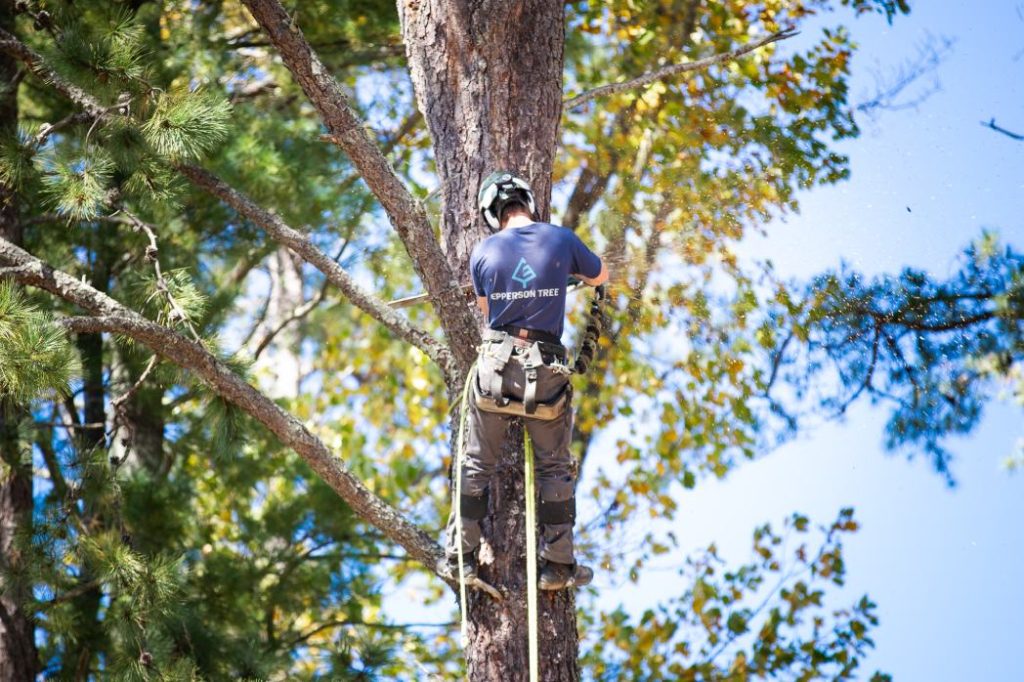
Not all branches are equally strong.
Branches with narrow, V-shaped connections are more likely to split under heavy wind loads than those with wider, U-shaped attachments.
Tree professionals can identify:
- Co-dominant stems
- Weak branch unions
- Crossing branches
- Included bark
- Structural defects
Corrective pruning can greatly reduce future failure.
Remove Hazardous Trees
Sometimes the safest option is complete tree removal.
Trees that may require removal include those that:
- Are severely diseased
- Have extensive decay
- Lean significantly
- Have major root damage
- Suffer from large trunk cavities
- Have lost structural stability after previous storms
Removing these trees before hurricane season greatly reduces the chance of emergency situations later.
Pay Attention to Root Health
Strong roots are essential for storm resistance.
Construction activity, soil compaction, and poor drainage can all weaken root systems without obvious above-ground symptoms.
Signs of root problems include:
- Leaning trees
- Sparse canopies
- Mushroom growth near the base
- Soil lifting around roots
- Slow growth
Healthy root systems provide the foundation trees need to withstand high winds.
Protect Newly Planted Trees
Young trees require special attention before storms arrive.
Proper care includes:
- Securing support stakes correctly
- Watering consistently
- Applying mulch
- Inspecting ties for damage
- Ensuring straight growth
Young trees with healthy root development are much more likely to survive severe weather.
Clear Potential Hazards Around Your Property
Storm preparation extends beyond tree pruning.
Homeowners should also remove:
- Hanging limbs
- Brush piles
- Dead shrubs
- Loose landscape debris
- Broken fence materials
These items can become airborne during high winds and contribute to property damage.
Don’t Wait Until a Storm Is Forecast
One of the biggest mistakes homeowners make is waiting until a hurricane is already approaching to schedule tree work.
As severe weather approaches:
- Tree service schedules fill quickly.
- Emergency response becomes limited.
- High winds make tree work unsafe.
- Equipment access may become difficult.
Scheduling preventative maintenance months before peak storm season allows crews to work safely and thoroughly.
What to Do After the Storm
Even healthy trees should be inspected after a major storm.
Watch for:
- Broken limbs
- New cracks in the trunk
- Leaning trees
- Split branches
- Exposed roots
- Hanging limbs
- Soil movement around the base
Prompt removal of damaged branches helps prevent additional failures and supports long-term tree recovery.
Prepare Your Trees Before the Next Storm Arrives
Storms are an unavoidable part of life in Western North Carolina, but significant tree damage doesn’t have to be. Routine inspections, strategic pruning, and timely removal of hazardous trees can dramatically reduce the risks posed by hurricanes and severe weather.
Whether you have a few mature shade trees or a heavily wooded property, preparing before high winds arrive is one of the smartest investments you can make. Professional tree care not only protects your home and family but also helps your trees remain healthy, strong, and resilient for years to come.

