
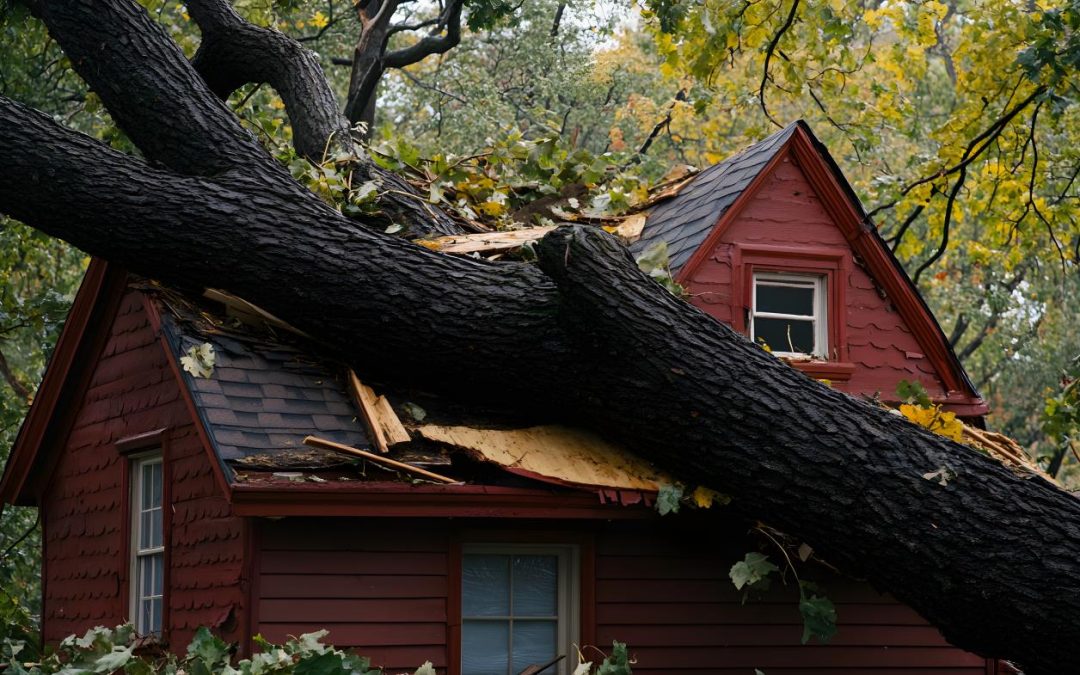
Home renovations can dramatically improve your property, but construction work can also unintentionally damage the mature trees surrounding your home. Heavy equipment, excavation, soil compaction, root damage, and changes in drainage can stress or permanently injure trees even when the trunk and branches appear untouched.
For homeowners in Hendersonville and throughout Western North Carolina, mature trees are often an important part of a property’s character. Protecting them during construction requires planning before contractors and equipment arrive.
Whether you’re building an addition, installing a driveway, renovating your outdoor living space, or completing a larger construction project, these steps can help protect valuable trees throughout the process.
Why Construction Can Be Dangerous for Trees
Trees extend much farther underground than many homeowners realize. A tree’s root system can spread well beyond the area immediately surrounding the trunk, with many important roots located relatively close to the soil surface.
That means construction doesn’t need to physically strike a tree to cause damage.
Common construction-related threats include:
- Excavation through major roots
- Heavy equipment compacting soil
- Construction materials stored over root zones
- Changes to existing soil grade
- Excess soil placed around trunks
- Altered drainage patterns
- Accidental trunk and branch damage
- Chemical or construction-material spills
Some damage may not become obvious immediately. A stressed tree can gradually decline after construction has been completed, making prevention particularly important.
Have Important Trees Evaluated Before Construction
Before beginning a major renovation or construction project, identify which trees you want to preserve.
Consider their health, location, size, structural condition, and importance to the overall landscape. A mature shade tree near your home, for example, may be considerably more difficult to replace than smaller landscaping plants.
A professional assessment can also identify trees that are already unhealthy or structurally compromised.
Epperson Tree Service provides comprehensive tree and shrub health services in Hendersonville and surrounding Western North Carolina communities. Evaluating important trees before construction can help determine which ones should be prioritized for protection.
Establish a Tree Protection Zone
One of the most effective ways to protect a tree during construction is to establish a clearly defined area around it where construction activity is restricted.
Simply wrapping something around the trunk isn’t enough.
The goal should be to protect both the visible tree and as much of its root system as reasonably possible. Temporary fencing can help prevent workers, vehicles, equipment, and construction materials from entering sensitive areas.
Contractors should understand that the protected area isn’t intended for:
- Vehicle parking
- Equipment storage
- Soil piles
- Building materials
- Concrete washout
- Chemical storage
- Frequent foot traffic
Establishing these boundaries before work begins is easier than trying to repair tree damage later.
Keep Heavy Equipment Away From Root Zones
Soil compaction is one of the less obvious ways construction can harm trees.
Repeated traffic from trucks, excavators, skid steers, and other heavy machinery can compress the soil surrounding tree roots. Compacted soil contains less pore space, making it more difficult for roots to receive the water and oxygen they need.
This can be especially problematic when equipment repeatedly travels along the same path close to mature trees.
Whenever possible, construction access routes and equipment staging areas should be planned away from trees that you want to preserve.
If your project requires significant earthmoving, professional grading and excavating services can help address land preparation while considering existing site conditions.
Avoid Cutting Major Roots
Excavation for foundations, utility lines, drainage systems, patios, retaining walls, and driveways can interfere with tree roots.
Cutting major structural roots may affect both tree health and stability.
Before excavating near a valuable mature tree, consider whether the project design can be modified to reduce root disturbance. Even relatively small adjustments to a trench, driveway, or construction footprint may help preserve important roots.
If roots must be affected, professional guidance can help determine the potential impact on the tree.
Never assume that roots can simply be cut because they are inconveniently located.
Protect Tree Trunks and Branches
Construction equipment can also physically damage trees above ground.
A single impact from machinery can remove bark or create a wound in the trunk. Large branches may be broken by trucks, cranes, or construction materials moving through the property.
Plan equipment routes with adequate clearance around existing trees.
In some cases, selective tree pruning before construction can remove dead or problematic branches and provide necessary clearance.
However, avoid excessive pruning simply to make room for equipment. Removing too much canopy can create additional stress at the same time the tree is dealing with construction-related changes.
Don’t Change the Soil Grade Around Trees Without Planning
Adding or removing soil around established trees can create significant problems.
Adding a thick layer of soil over an existing root system can change oxygen and moisture conditions. Excavating soil away can expose or damage important roots.
The area immediately around the trunk is particularly sensitive. Avoid piling dirt, mulch, gravel, or construction debris against the base of a tree.
Projects involving substantial changes to the landscape should account for existing trees before grading begins.
Epperson Tree Service offers grading and excavating for projects requiring professional site preparation, grading, excavation, and land clearing.
Watch for Changes in Drainage
Renovations can change how water moves across your property.
A new driveway, patio, roof addition, retaining wall, or altered slope can redirect runoff toward or away from established trees.
Both situations can create problems.
Too little water can increase drought stress, while constantly saturated soil may reduce oxygen around the roots and contribute to root problems.
Consider existing drainage patterns during the planning phase, particularly when working on sloped properties common throughout Western North Carolina.
Monitor Tree Health After Construction
Tree protection shouldn’t end when the contractors leave.
Continue monitoring nearby trees for signs of stress during the months and years following construction.
Potential warning signs include:
- Thinning canopy
- Yellowing or discolored leaves
- Premature leaf drop
- Dead branches
- Reduced new growth
- Cracks or damaged bark
- Fungal growth
- Increased insect activity
These symptoms don’t automatically mean that construction caused the problem, but they are good reasons to have the tree evaluated.
Professional insect and disease control and tree fertilization may be appropriate when specific health problems or nutrient deficiencies are identified.
Know When a Tree Can’t Be Preserved
Unfortunately, not every tree can or should remain during a construction project.
A tree may already be severely declining, structurally compromised, or located directly within the required construction footprint. In other situations, unavoidable root disturbance could make preserving the tree unsafe.
When removal is necessary, it should ideally happen before major construction begins.
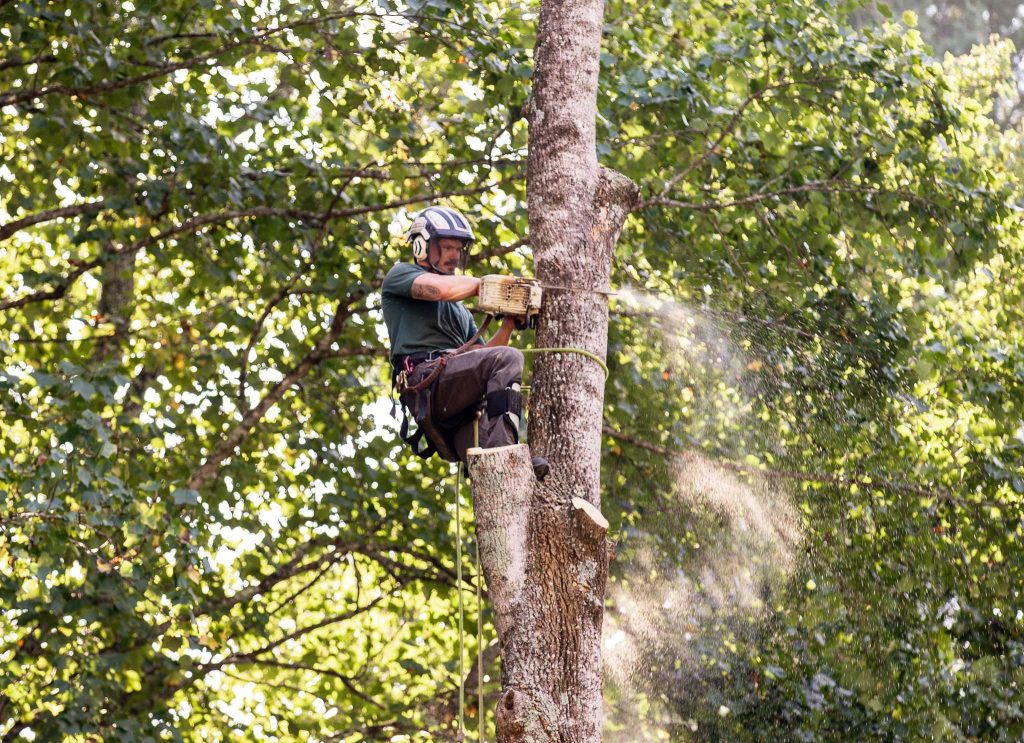
Epperson Tree Service provides professional tree removal and trimming for residential and commercial properties. For large trees or trees in difficult locations, crane services can provide additional options for controlled removal.
Once the tree is gone, stump grinding can help prepare the area for future landscaping or construction.
Protect Your Trees Before the Project Begins
The best time to think about tree protection is before construction starts, not after damage becomes visible.
Identify valuable trees early, establish protection zones, keep heavy equipment away from root systems, minimize excavation near major roots, and carefully consider changes to grading and drainage.
If you’re planning renovations, land improvements, or construction around established trees, Epperson Tree Service can help evaluate your landscape and determine which trees may need additional attention.
From tree services and plant health care to pruning, removal, stump grinding, grading, and excavation, Epperson Tree Service helps Hendersonville and Western North Carolina property owners protect and manage their trees before, during, and after major property improvements.

