

Healthy trees add beauty, shade, and value to your property, but they can also fall victim to pests and diseases that weaken their structure over time. Unfortunately, many tree problems begin subtly, and by the time obvious symptoms appear, significant damage may have already occurred. Recognizing the early warning signs can help homeowners protect their landscape and prevent small issues from becoming major hazards.
Western North Carolina’s warm, humid climate creates ideal conditions for a variety of insects and fungal diseases. Knowing what to look for—and when to call a professional—can make all the difference in preserving the health of your trees.
Why Trees Become Sick
Trees can become stressed for many reasons, including drought, excessive rainfall, soil compaction, storm damage, construction activity, or improper pruning. When a tree is weakened, it becomes more susceptible to insects, fungi, bacteria, and other pathogens.
In Hendersonville and surrounding areas, environmental stress combined with seasonal weather patterns often creates opportunities for pests and diseases to spread quickly.
Common Signs Your Tree May Be Unhealthy
Not every unhealthy-looking tree is dying, but persistent symptoms should never be ignored.
Watch for signs such as:
- Dead or dying branches
- Leaves that discolor too early
- Sparse foliage
- Peeling or cracked bark
- Mushrooms growing around the base
- Large cavities in the trunk
- Unusual leaf spots
- Branches dropping unexpectedly
- Excessive sap or oozing wounds
If several of these symptoms appear together, it’s time to have the tree evaluated by an experienced arborist.
Leaf Problems That Signal Disease
Leaves often provide the earliest clues that something is wrong.
Common symptoms include:
Yellowing Leaves
If leaves turn yellow well before autumn, the tree may be experiencing:
- Root problems
- Poor drainage
- Nutrient deficiencies
- Fungal infections
Brown Leaf Edges
Scorched leaf margins can indicate:
- Drought stress
- Root damage
- Soil compaction
- Disease
Spots or Blotches
Dark spots, black patches, or irregular discoloration may point to fungal leaf diseases that spread rapidly during humid weather.
Premature Leaf Drop
Trees that lose leaves during summer rather than fall are often reacting to environmental stress or disease.
Bark Damage Shouldn’t Be Ignored
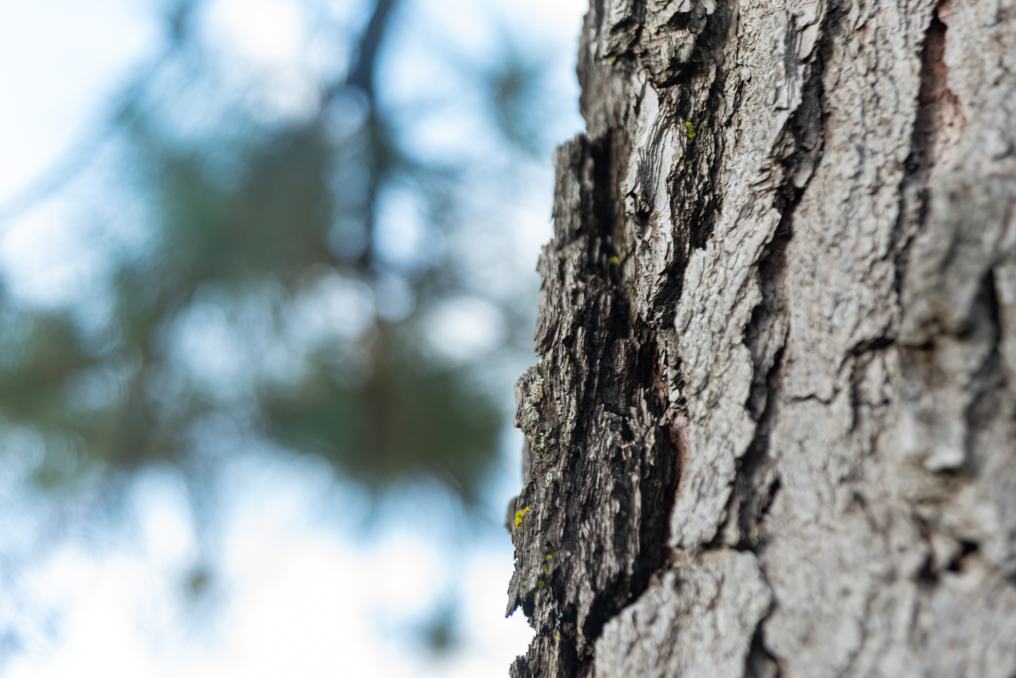
Healthy bark acts as a protective barrier for the tree.
Warning signs include:
- Long vertical cracks
- Loose bark
- Missing bark sections
- Sunken areas
- Cankers
- Large wounds that fail to heal
Damaged bark allows insects and disease organisms to enter the tree’s vascular system, accelerating decline.
Signs of Insect Infestations
Many insects spend much of their life cycle hidden beneath bark or inside wood, making early detection especially important.
Look for:
Tiny Exit Holes
Small round holes in the bark often indicate wood-boring insects.
Sawdust Around the Base
Fine sawdust or wood shavings may suggest active boring insects feeding inside the trunk.
Sticky Sap
Excessive sap production can be a defensive response to insect activity.
Visible Insects
While not all insects are harmful, large populations of beetles, caterpillars, aphids, or scale insects may stress the tree significantly.
Root Problems Often Go Unnoticed
Many serious tree health issues begin underground.
Possible indicators include:
- Leaning trees
- Slow growth
- Small leaves
- Sparse canopy
- Mushrooms near the trunk
- Soil heaving around the roots
Construction projects, poor drainage, and soil compaction frequently damage root systems without homeowners realizing it.
Common Tree Diseases in Western North Carolina
The region’s climate supports several diseases that affect both hardwoods and ornamental trees.
Some of the most frequently encountered include:
Anthracnose
This fungal disease causes leaf spots, twig dieback, and early leaf drop, especially during cool, wet springs.
Powdery Mildew
White, powder-like growth on leaves can reduce photosynthesis and weaken trees over time.
Root Rot
Poorly drained soils increase the risk of root rot, which gradually destroys the tree’s ability to absorb water and nutrients.
Canker Diseases
Cankers create dead areas on branches and trunks that interfere with the tree’s circulation system.
Early diagnosis often improves treatment success.
Pest Problems Common to the Area
Several insect species regularly affect trees throughout Western North Carolina.
These include:
- Bark beetles
- Scale insects
- Aphids
- Spider mites
- Boring insects
- Tent caterpillars
While healthy trees can often withstand minor infestations, stressed trees may decline rapidly if left untreated.
When a Tree Becomes Hazardous
Diseased trees don’t just lose their appearance—they can also become dangerous.
Warning signs of structural failure include:
- Large dead limbs
- Cracks extending into the trunk
- Hollow sections
- Significant lean
- Uplifted roots
- Splitting branches
These trees should be inspected promptly, especially if they’re located near homes, driveways, power lines, or areas where people regularly gather.
Preventing Tree Diseases and Pest Problems
Good tree care greatly reduces the likelihood of serious health issues.
Preventative practices include:
- Proper watering during dry periods
- Mulching around the root zone
- Avoiding damage from lawn equipment
- Pruning dead or damaged branches
- Improving soil health
- Monitoring trees throughout the year
- Scheduling routine professional inspections
Healthy trees are naturally more resistant to insects and disease.
Professional Tree Inspections Provide Peace of Mind
Many tree diseases and pest infestations can only be accurately diagnosed through a professional inspection. Arborists understand the subtle differences between environmental stress, insect damage, fungal infections, and natural aging, allowing them to recommend the most effective course of action.
If you’ve noticed unusual changes in your trees, don’t wait for the problem to worsen. Early detection often means more treatment options, lower costs, and a much better chance of preserving the trees that make your Western North Carolina property so beautiful.

