
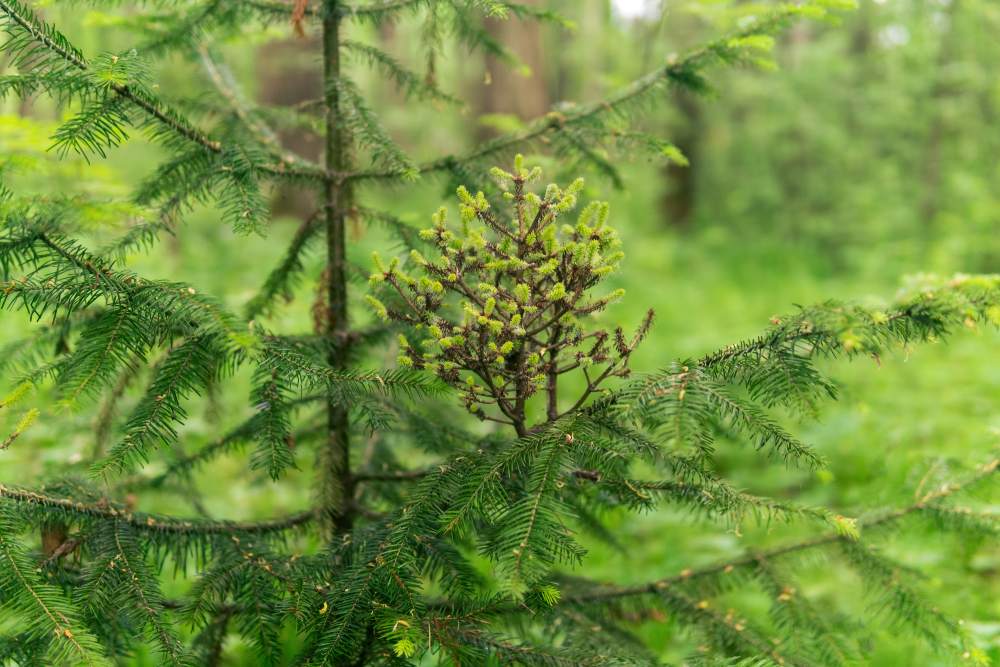
Few trees are as iconic to Western North Carolina as the Eastern hemlock. These majestic evergreens can live for hundreds of years and often reach impressive heights, creating the dense, shaded forests that define many mountain landscapes. Hemlocks play a vital role in local ecosystems, helping regulate stream temperatures, stabilize soil, provide wildlife habitat, and preserve the natural beauty that attracts residents and visitors alike.
Unfortunately, Eastern hemlocks throughout Western North Carolina face a serious threat from an invasive insect known as the hemlock woolly adelgid (HWA). Without treatment, this tiny pest can kill mature hemlock trees in just a few years. For property owners who value their trees and the health of the surrounding environment, understanding the importance of hemlock treatment is essential.
At Epperson Tree Service, we help homeowners protect these valuable trees through professional inspection, treatment, and long-term management strategies designed specifically for Western North Carolina’s unique environment.
Understanding the Hemlock Woolly Adelgid
The hemlock woolly adelgid is a small insect native to Asia that was accidentally introduced to the eastern United States. While nearly invisible to the naked eye, its impact can be devastating.
These insects attach themselves to hemlock branches and feed on nutrients stored within the tree. As they feed, they weaken the tree’s ability to produce healthy growth and maintain essential functions. One of the most recognizable signs of infestation is the appearance of small white, cotton-like masses on the undersides of branches.
Because the adelgid reproduces rapidly and has few natural predators in North America, infestations can spread quickly throughout a property and neighboring forests.
Why Hemlocks Matter So Much in WNC
Hemlocks are often referred to as a foundation species because they play such a significant role in forest health. Losing mature hemlocks affects far more than the individual trees themselves.
Their dense canopies provide year-round shade that helps maintain cooler temperatures in streams and rivers. Many aquatic species, including trout, depend on these cooler water conditions to survive. Hemlocks also help reduce soil erosion on steep mountain slopes, making them particularly valuable throughout Western North Carolina’s rugged terrain.
Wildlife benefits greatly from hemlock forests as well. Birds, deer, squirrels, and numerous other species rely on hemlock stands for shelter, nesting areas, and protection from predators.
When hemlocks die, entire ecosystems can change dramatically, affecting both natural habitats and residential landscapes.
Signs Your Hemlock May Be Infected
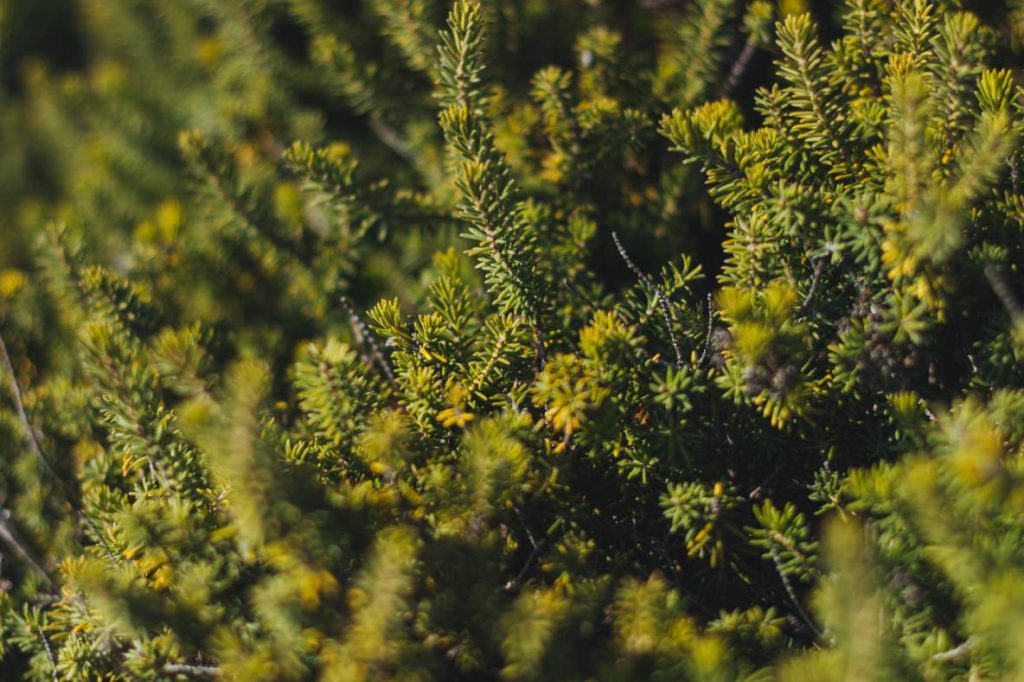
Early detection is one of the most important factors in successful treatment. Unfortunately, many property owners don’t recognize the signs until significant damage has already occurred.
Some common indicators include:
- White wool-like masses along branches
- Thinning foliage
- Needle loss
- Gray or faded needle coloration
- Sparse branch growth
- Dead branches in the upper canopy
- Overall decline in tree health
Because symptoms often develop gradually, regular professional inspections can identify infestations before extensive damage occurs.
The Cost of Waiting Too Long
Many homeowners assume they can postpone treatment until visible damage appears. Unfortunately, by the time major symptoms are noticeable, the infestation may already be severe.
Hemlock woolly adelgids weaken trees continuously. As the infestation progresses, the tree loses its ability to produce healthy needles and maintain proper nutrient flow. Over time, branches begin dying back, growth slows dramatically, and the tree becomes increasingly vulnerable to drought, disease, and other environmental stressors.
Once decline reaches an advanced stage, treatment becomes less effective and tree removal may become the only option.
Considering the value of mature hemlocks and the cost of removing large trees, preventative treatment is often far more economical than waiting until significant damage occurs.
Effective Hemlock Treatment Options
The good news is that hemlock woolly adelgid can be successfully managed when caught early. Modern treatment methods have helped save countless hemlocks throughout Western North Carolina.
One of the most common approaches involves systemic insecticides. These treatments are absorbed by the tree and transported throughout its vascular system, allowing protection from the inside out. When adelgids feed on treated trees, they are eliminated before causing further damage.
Depending on the tree’s size, location, and level of infestation, treatments may be applied through soil injections, trunk injections, or other professional methods.
The best treatment plan varies from tree to tree, which is why professional evaluation is critical.
Why Professional Treatment Matters
Treating hemlocks is not a one-size-fits-all process. Factors such as tree size, age, health condition, surrounding landscape features, and environmental considerations all influence treatment decisions.
Professional arborists can accurately diagnose infestations, determine the most appropriate treatment method, and monitor long-term effectiveness. They can also identify additional stress factors that may impact tree health, including drought conditions, root damage, or secondary pest issues.
Proper timing is equally important. Applying treatments at the right time helps maximize effectiveness while minimizing unnecessary stress on the tree.
Protecting Future Generations of Hemlocks
Many hemlocks in Western North Carolina have been growing for decades or even centuries. These trees represent more than landscaping features; they are living landmarks that contribute significantly to the character and beauty of mountain properties.
Protecting them today helps preserve shade, wildlife habitat, water quality, and scenic beauty for future generations. With proper treatment and monitoring, many infected hemlocks can continue thriving for years to come.
Don’t Wait Until It’s Too Late
Hemlock woolly adelgid infestations rarely improve on their own. The sooner an infestation is identified and treated, the greater the likelihood of preserving the tree’s health and longevity.
If you have hemlocks on your property and are concerned about potential infestations, Epperson Tree Service can provide professional inspections and customized treatment solutions. Taking action now can help save some of Western North Carolina’s most valuable and iconic trees before irreversible damage occurs.

