

Trees are one of the most valuable features of any property in Western North Carolina. From the rolling landscapes of Hendersonville and Flat Rock to the mountain views surrounding Asheville and Columbus, healthy trees enhance curb appeal, provide shade, improve air quality, and increase property value. However, the region’s unique climate means trees face different challenges throughout the year. Seasonal maintenance is essential for keeping trees strong, healthy, and safe.
At Epperson Tree Service, we help property owners throughout Western North Carolina protect their trees with professional care tailored to each season. Understanding what your trees need throughout the year can help prevent disease, storm damage, and costly removals.
Spring: Inspect and Encourage Healthy Growth
Spring is one of the most important seasons for tree care. As temperatures warm and trees begin producing new growth, it becomes easier to identify winter damage and address potential issues before they worsen.
A professional tree inspection during spring can reveal broken limbs, pest infestations, disease symptoms, or structural concerns that may not have been visible during the dormant season. Early intervention often prevents larger problems later in the year.
Spring is also an excellent time for pruning dead or damaged branches. Removing unhealthy limbs encourages healthy growth and improves the tree’s overall structure. Property owners should also monitor mulch levels around trees. Proper mulching helps retain moisture, regulate soil temperatures, and reduce weed competition.
Fertilization may also be beneficial for certain trees, especially those showing signs of stress or nutrient deficiencies. A professional arborist can determine whether fertilization is necessary and recommend the appropriate treatment.
Summer: Monitor for Stress and Pests
Western North Carolina summers can bring periods of intense heat and occasional drought conditions. During this season, trees often experience water stress, especially newly planted trees and younger specimens.
Deep watering is typically more effective than frequent shallow watering. A thorough watering encourages roots to grow deeper into the soil, improving drought resistance and overall health. Property owners should pay close attention to trees displaying symptoms such as wilting leaves, premature leaf drop, or discolored foliage.
Summer is also peak season for many insects and diseases. Common pests can quickly damage foliage, weaken trees, and make them more susceptible to future problems. Regular inspections can identify infestations before significant damage occurs.
Tree canopies should also be monitored for dead or hanging branches. Summer thunderstorms are common throughout Western North Carolina, and weakened limbs can become hazardous during strong winds.
Fall: Prepare Trees for Winter
Fall is often considered one of the best seasons for preventative tree care. As trees begin entering dormancy, it becomes easier to evaluate their structure and identify potential risks.
Pruning during fall can remove damaged limbs and reduce the likelihood of winter storm damage. Proper pruning also improves airflow throughout the canopy and helps maintain a balanced structure.
Fall is an ideal time for planting new trees because cooler temperatures reduce stress while allowing root systems to establish before spring growth begins. Selecting species suited for Western North Carolina’s climate can significantly improve long-term success.
Property owners should also remove accumulated debris around trees, including fallen branches and diseased leaves. Cleaning the area helps reduce the spread of pests and fungal diseases.
A fall inspection can identify trees that may require cabling, bracing, or other structural support before winter weather arrives.
Winter: Focus on Structural Health
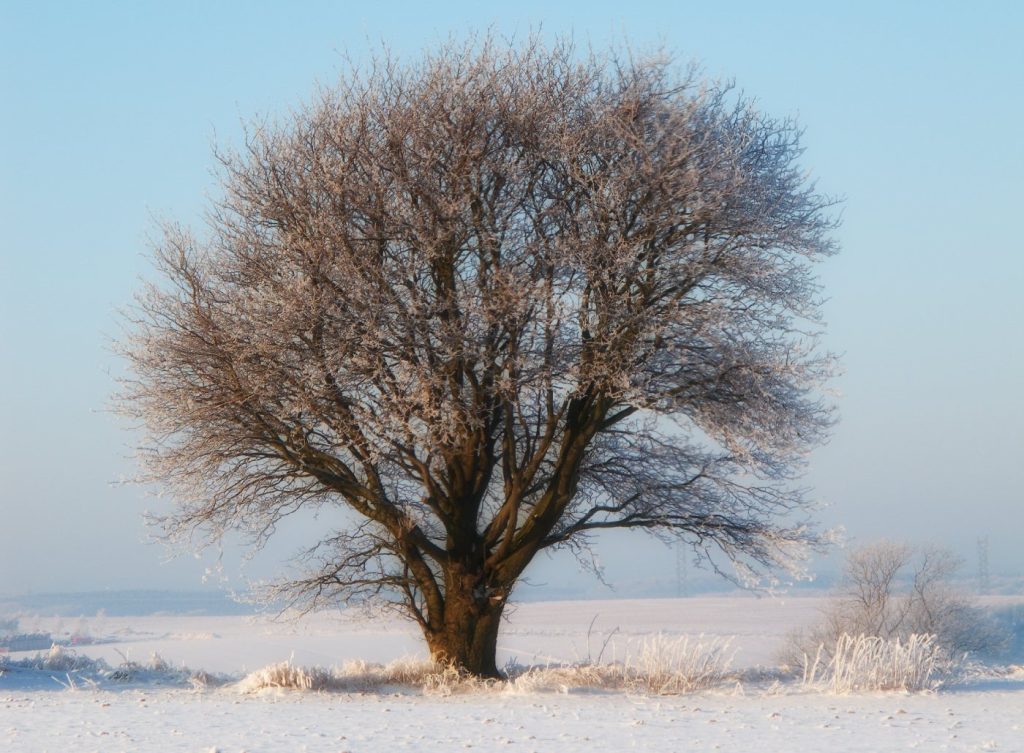
While many people assume tree care stops during winter, this season offers several opportunities for important maintenance.
Because deciduous trees lose their leaves, arborists can more easily assess branch structure, identify defects, and evaluate overall tree health. Winter pruning is commonly recommended because dormant trees experience less stress and are often less vulnerable to disease transmission.
Heavy snow, ice accumulation, and winter storms can place significant strain on weak limbs. Removing hazardous branches before severe weather arrives helps protect homes, vehicles, and utility lines.
Winter is also an excellent time for tree removal projects. Frozen or firmer ground conditions often minimize landscape disruption, making access easier for crews and equipment.
Storm Preparedness Throughout the Year
Western North Carolina regularly experiences severe weather, including thunderstorms, high winds, and occasional ice storms. Proactive tree maintenance can significantly reduce storm-related risks.
Trees with weak branch unions, overextended limbs, or structural defects should be evaluated by a professional. Cabling and bracing systems may help support valuable trees while reducing the likelihood of branch failure.
Routine pruning also helps reduce wind resistance, allowing storms to pass through the canopy more effectively. Removing dead, diseased, or damaged limbs before storm season can prevent emergency situations and costly property damage.
When Professional Tree Care Matters
While some maintenance tasks can be handled by property owners, many tree care services require professional expertise and specialized equipment. Improper pruning, incorrect treatments, or delayed intervention can lead to long-term damage that may shorten a tree’s lifespan.
Certified tree care professionals can identify diseases, structural weaknesses, pest infestations, and environmental stress factors that are often overlooked. Regular inspections provide peace of mind and help protect the investment you’ve made in your landscape.
Keep Your Trees Healthy Year-Round
Healthy trees don’t happen by accident. They require attention throughout every season to remain safe, beautiful, and resilient. By following a seasonal care plan and addressing issues early, homeowners throughout Western North Carolina can enjoy stronger trees and fewer unexpected problems.
Whether you need pruning, tree inspections, cabling, disease treatment, or tree removal, Epperson Tree Service provides the professional expertise necessary to keep your landscape thriving year-round.

