
Many homeowners in Hendersonville, NC invest time and effort into maintaining a healthy lawn. Fertilizing grass is a common part of lawn care, and it helps keep turf green and growing throughout the season. However, one common misconception is that lawn fertilizer automatically benefits nearby trees. In reality, tree fertilization and lawn fertilization serve very different purposes. Understanding the difference is important if you want to maintain healthy trees on your property.
Trees have different nutrient needs, root structures, and growth patterns than grass. While both plants require nutrients, the way those nutrients are delivered and absorbed can vary significantly. Knowing how tree fertilization differs from lawn fertilization can help Hendersonville homeowners make better decisions for their landscapes.
Different Root Systems
One of the biggest differences between trees and lawns is their root systems. Grass roots are shallow and typically grow within the top few inches of soil. Because of this, lawn fertilizer is designed to dissolve quickly and remain near the surface where grass roots can absorb it.
Tree roots, on the other hand, often grow much deeper and spread widely through the soil. In fact, many tree roots extend far beyond the visible canopy of the tree. These deeper root systems require nutrients that can reach further into the soil profile.
When lawn fertilizer is applied, most of it remains in the top layer of soil. While trees may absorb a small amount of these nutrients, it is usually not enough to support long-term tree health.
Different Nutrient Requirements
Grass and trees also require different nutrient balances. Lawn fertilizers are typically designed to encourage rapid leaf growth in turf. They often contain high levels of nitrogen to produce thick, green grass.
Trees have more complex nutritional needs. While nitrogen is important, trees also require balanced levels of phosphorus, potassium, and micronutrients to support root development, structural strength, and resistance to disease.
Applying lawn fertilizer around trees may lead to excessive surface growth while doing little to strengthen the tree’s root system. In some cases, it can even create nutrient imbalances in the soil.
Application Methods Are Different
The way fertilizer is applied also differs between lawns and trees. Lawn fertilizer is usually spread evenly across the surface of the yard. This method works well for grass because the nutrients stay close to the shallow root zone.
Trees benefit from more targeted fertilization methods. One common technique is deep root fertilization, which involves injecting nutrients directly into the soil around the tree’s root system. This process places fertilizer below the surface where tree roots can absorb it more effectively.
Deep root fertilization also helps reduce nutrient runoff and ensures that the fertilizer reaches the areas where trees need it most.
Soil Conditions Around Trees
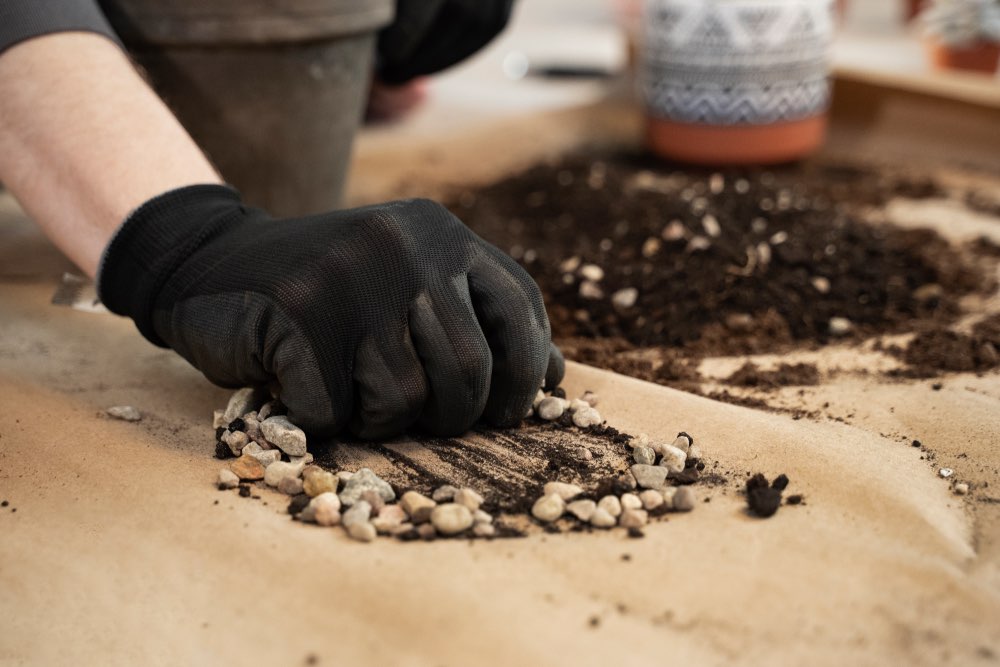
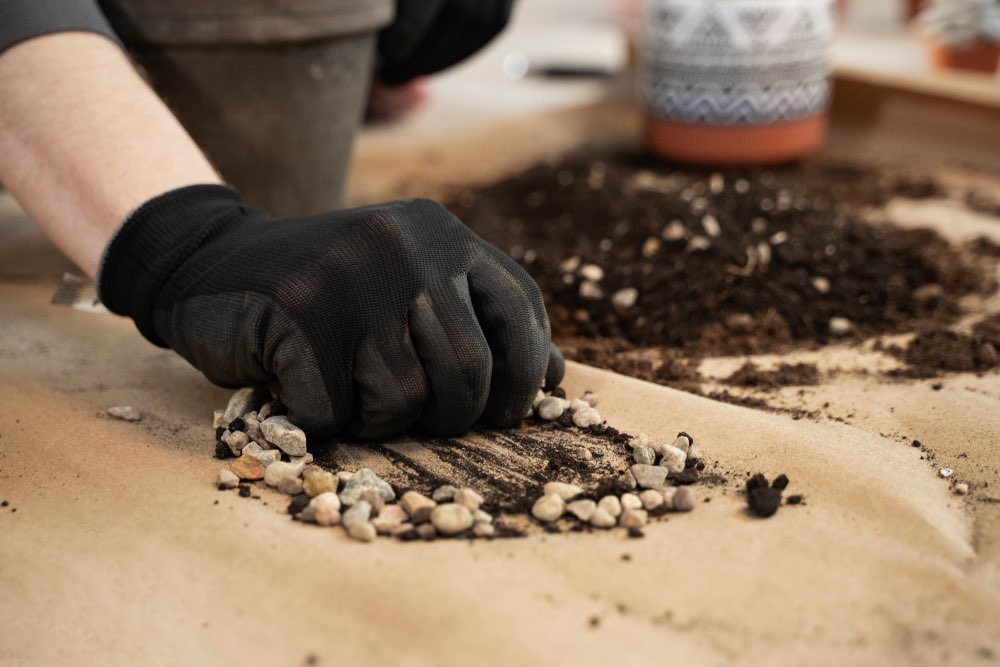
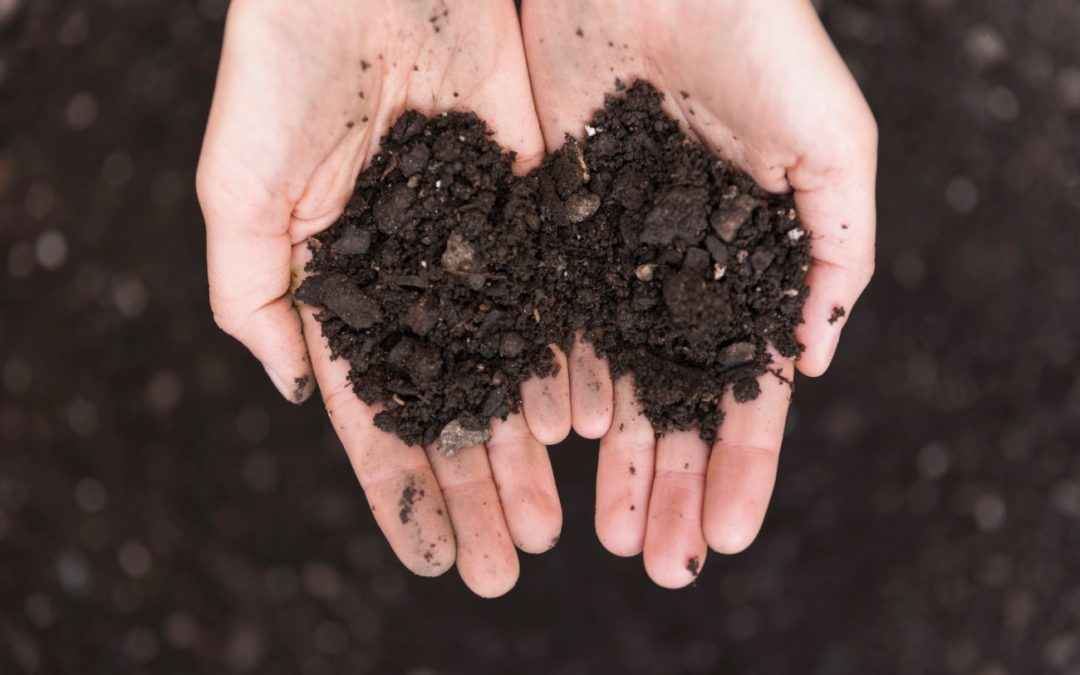
In many residential landscapes, the soil around trees becomes compacted over time. Foot traffic, lawn equipment, and construction activities can compress the soil, making it harder for roots to access oxygen, water, and nutrients.
Compacted soil can prevent trees from absorbing nutrients efficiently, even if fertilizer is present. Professional fertilization services often include soil evaluation and treatments designed to improve soil conditions.
By loosening the soil and delivering nutrients directly to the root zone, tree fertilization can help restore healthy growing conditions.
Why Trees in Hendersonville May Need Extra Nutrients
Trees growing in natural forests receive nutrients from decomposing leaves and organic matter. In residential landscapes, this natural cycle is often disrupted. Leaves are typically removed during yard cleanup, and grass competes with tree roots for available nutrients.
Over time, this can leave trees with fewer nutrients available in the soil. Clay-heavy soils common in parts of Hendersonville can also limit nutrient movement and root expansion.
Proper fertilization helps replenish essential nutrients and supports long-term tree health.
Benefits of Professional Tree Fertilization
Professional tree fertilization provides several advantages for homeowners who want to protect the health of their trees. Experienced tree care specialists understand how to evaluate soil conditions, determine nutrient deficiencies, and select the right fertilizer blends for different tree species.
They also know where and how to apply fertilizer so that it reaches the root system effectively. This targeted approach helps trees develop stronger roots, fuller canopies, and improved resistance to pests and environmental stress.
Regular fertilization can also extend the lifespan of trees and improve the overall appearance of your landscape.
Helping Trees and Lawns Thrive Together
Both lawns and trees can thrive in the same landscape when they receive the proper care. While lawn fertilization is important for maintaining healthy grass, trees often require their own specialized fertilization program.
Understanding the differences between tree and lawn fertilization allows homeowners in Hendersonville to provide the right nutrients for each part of their landscape. With proper care and professional fertilization services, trees can grow stronger, healthier, and more resilient year after year.

