

A fallen tree on your property can be overwhelming. Whether it’s caused by a storm, high winds, or saturated soil, the situation often unfolds quickly and without warning. For homeowners in Hendersonville, NC, where severe weather can roll through unexpectedly, knowing exactly what to do next can make all the difference in protecting your home, your safety, and your finances.
Here’s a step-by-step guide to help you handle the situation the right way.
1. Prioritize Safety Above Everything Else
The moment you discover a fallen tree, your first concern should be safety—not cleanup.
Immediately:
- Stay clear of the affected area
- Watch for unstable branches or shifting debris
- Avoid walking on damaged roofs or structures
If the tree has impacted your home, evacuate the area if there’s any risk of collapse. Even if things appear stable, hidden structural damage can pose serious risks.
2. Check for Power Lines and Electrical Hazards
One of the most dangerous scenarios is when a tree interacts with power lines. If you see downed wires or suspect electrical involvement:
- Do not approach the tree
- Keep a safe distance (at least 30 feet)
- Contact your local utility company immediately
Electric hazards are not always visible, and even a seemingly harmless branch can be energized.
3. Call Emergency Tree Service Professionals
Once immediate safety concerns are addressed, your next call should be to a professional emergency tree service like Epperson Tree.
Emergency crews can:
- Assess structural risks
- Safely remove the tree
- Prevent further damage
- Stabilize the affected area
Trying to handle large tree removal yourself is extremely dangerous and can lead to injury or additional property damage. Professionals have the equipment and expertise to handle these situations efficiently.
4. Contact Your Insurance Company
After securing professional help, notify your homeowner’s insurance provider as soon as possible.
Be prepared to:
- Explain what happened
- Provide photos of the damage
- Document the date and time of the incident
Most policies in areas like Hendersonville cover tree damage caused by storms or other natural events, but quick reporting helps streamline the claims process.
5. Document the Damage Thoroughly
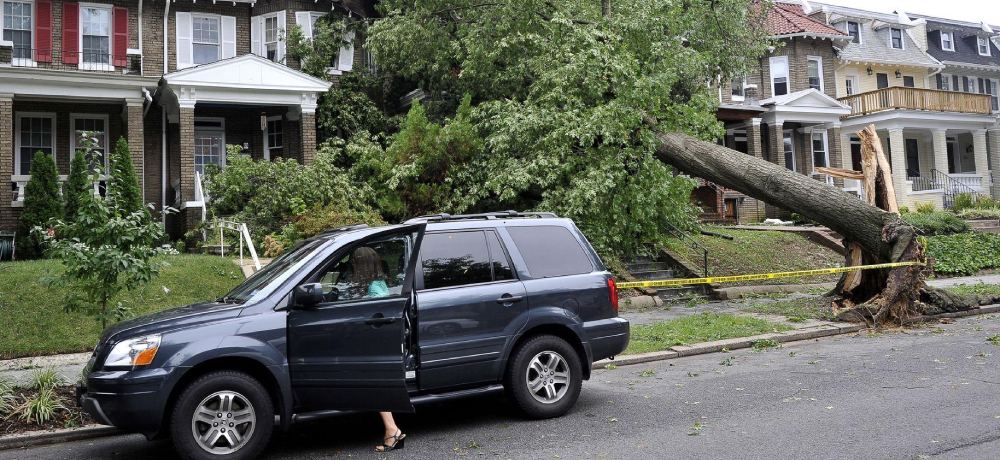
Before any cleanup begins (if it’s safe to do so), take detailed photos and videos of the scene.
Capture:
- The tree’s position and size
- Damage to your home, roof, or structures
- Any affected vehicles or outdoor features
This documentation is crucial for insurance claims and can help ensure you receive proper compensation.
6. Prevent Further Damage (Temporary Measures)
If your home has been exposed—such as a hole in the roof or broken windows—you may need to take temporary steps to prevent additional damage.
Examples include:
- Placing a tarp over exposed areas
- Boarding up broken windows
- Moving valuables away from affected zones
Many emergency tree service companies can assist with these temporary protective measures as part of their response.
7. Avoid DIY Tree Removal
It might be tempting to grab a chainsaw and start cutting, especially if the tree is blocking access or looks manageable. However, this is one of the most common and dangerous mistakes homeowners make.
Fallen trees are often:
- Under tension and can shift suddenly
- Entangled in structures or other branches
- Heavier and more unstable than they appear
Without proper training and equipment, DIY removal can result in serious injury or even make the situation worse.
8. Understand Who Is Responsible
A common question homeowners ask is: Who pays for the damage?
In most cases:
- If the tree falls due to a storm (an “act of God”), your insurance covers your property
- If a neighbor’s neglected tree caused the damage, liability may be different
This is why proper documentation and communication with your insurance provider are so important.
9. Plan for Full Cleanup and Restoration
Once the emergency has been handled, the next phase is cleanup and restoration.
This may include:
- Removing remaining debris
- Grinding the stump
- Repairing landscaping
- Fixing structural damage to your home
Working with a professional team ensures the job is done thoroughly and safely, restoring your property to its original condition.
10. Take Preventative Steps for the Future
After dealing with a fallen tree, it’s wise to think ahead. Preventative maintenance can significantly reduce the risk of future emergencies.
Consider:
- Regular tree inspections
- Trimming overhanging branches
- Removing dead or weakened trees
- Monitoring trees after storms
In a region like Hendersonville, NC, proactive care can save you from costly emergencies down the road.
Fast Response Makes All the Difference
When a tree falls, time is critical. Acting quickly helps minimize damage, protects your family, and simplifies the recovery process. Having a trusted local company like Epperson Tree on call ensures you’re never left dealing with a dangerous situation alone.
If you’re ever unsure whether your situation qualifies as an emergency, it’s always better to call and get a professional opinion—because when it comes to fallen trees, waiting can make things worse.

