
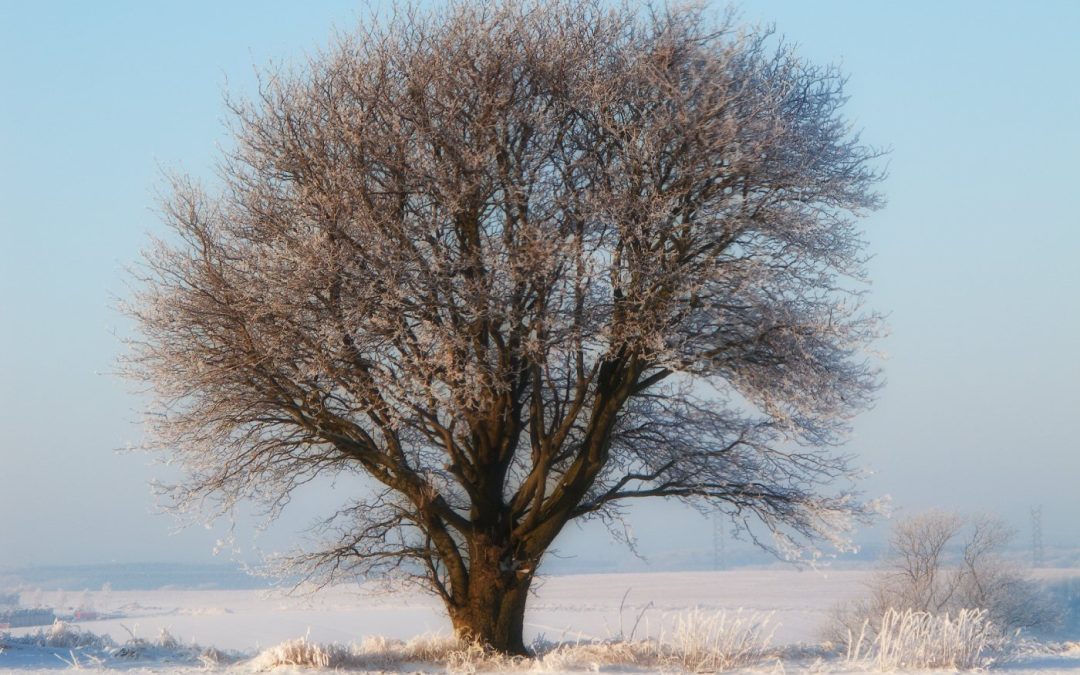
Winter in Western North Carolina can be unpredictable. While the mountains around Hendersonville are known for their beauty during the colder months, winter storms can bring heavy snow, ice accumulation, freezing temperatures, and strong winds that place enormous stress on trees and landscapes. Without proper preparation, winter weather can lead to broken limbs, uprooted trees, property damage, and long-term tree health problems.
Preparing your trees before winter arrives is one of the best ways to reduce storm damage and keep your landscape healthy year-round. At Epperson Tree Service, we help homeowners throughout Western North Carolina protect their trees with proactive maintenance, pruning, and seasonal care designed to improve safety and resilience during harsh winter conditions.
Why Winter Weather Is Hard on Trees
Trees face several environmental stresses during winter, especially in mountain regions where weather conditions can change rapidly.
Common winter-related tree problems include:
- Heavy snow accumulation
- Ice buildup on branches
- Frozen soil
- Winter dehydration
- Sudden temperature fluctuations
- Wind damage
- Limb breakage
Weak, diseased, or poorly maintained trees are particularly vulnerable to storm damage during the winter season.
The Importance of Winter Tree Preparation
Many homeowners wait until after a storm to deal with damaged trees, but preventive care is far more effective and affordable.
Winterizing your trees can help:
- Reduce the risk of falling limbs
- Prevent property damage
- Improve tree structure
- Protect long-term tree health
- Reduce emergency tree removal needs
- Increase storm resistance
Proactive tree care also allows issues to be identified before severe weather creates dangerous conditions.
Inspect Trees for Existing Weaknesses
One of the first steps in winter preparation is evaluating the condition of your trees.
Look for warning signs such as:
- Dead branches
- Cracked limbs
- Leaning trunks
- Hollow sections
- Fungal growth
- Splitting bark
- Root exposure
- Previous storm damage
These issues can worsen significantly under the added weight of snow and ice.
Professional tree inspections are especially important for large trees located near homes, driveways, power lines, or outdoor living spaces.
Prune Dead or Weak Branches
Proper pruning is one of the most effective ways to prepare trees for winter weather.
Removing weak or damaged limbs reduces the likelihood of branches snapping during ice storms or heavy snowfall.
Focus on Hazardous Limbs
Branches that are:
- Dead
- Diseased
- Overextended
- Poorly attached
- Crossing other branches
should be addressed before winter storms arrive.
Improve Tree Structure
Strategic pruning also improves overall branch spacing and weight distribution, helping trees better withstand winter conditions.
However, excessive pruning should be avoided because removing too much canopy can stress the tree.
Professional pruning ensures cuts are made safely and correctly without compromising tree health.
Remove Dead or Dangerous Trees
Dead trees become especially hazardous during winter storms.
Ice accumulation and strong winds can cause brittle trunks or limbs to fail unexpectedly, potentially damaging:
- Homes
- Vehicles
- Fences
- Roofs
- Utility lines
If a tree already shows signs of severe decline, removal before winter may be the safest option.
Prompt removal also prevents emergency situations during dangerous weather conditions when tree work becomes more difficult and risky.
Protect Young Trees From Winter Damage
Younger trees are particularly vulnerable to cold temperatures and winter stress.
Mulch Around the Base
Applying mulch around the root zone helps regulate soil temperature and retain moisture.
Keep mulch a few inches away from the trunk to prevent rot and pest problems.
Water Before the Ground Freezes
Trees still need moisture during winter. Watering deeply before prolonged freezing temperatures can help reduce dehydration stress.
Use Tree Wraps When Necessary
Thin-barked trees may benefit from protective wraps that reduce sunscald and frost cracking.
Sunscald occurs when winter sunlight warms the bark during the day and freezing nighttime temperatures cause rapid contraction.
Prevent Ice and Snow Damage
Heavy snow and ice can place tremendous weight on branches.
Avoid Shaking Frozen Branches
Many homeowners attempt to remove snow or ice by shaking tree limbs, but frozen branches can snap easily under pressure.
If snow buildup becomes severe, it is usually safer to let it melt naturally.
Monitor Evergreen Trees
Evergreens often collect large amounts of snow and ice because they retain foliage year-round.
Inspect evergreen trees for:
- Leaning
- Splitting branches
- Bent trunks
- Excessive canopy weight
Proper pruning and spacing can help reduce winter stress on these trees.
Check Tree Clearance Around Structures
Winter storms often expose trees that have grown too close to homes or utility lines.
Branches hanging over:
- Roofs
- Driveways
- Power lines
- Garages
- Walkways
should be evaluated before winter weather arrives.
Ice-covered limbs can become extremely heavy and dangerous, increasing the risk of breakage.
Maintain Healthy Soil and Root Systems
Healthy roots are critical for winter survival.
Compacted soil, poor drainage, and root damage can weaken trees and reduce stability during storms.
Homeowners should avoid:
- Excessive soil disturbance
- Overwatering
- Heavy equipment near roots
- Piling snow mixed with road salt around trees
Salt exposure can damage roots and harm overall tree health over time.
Why Professional Tree Care Matters Before Winter
Winter tree preparation involves more than basic trimming. Improper pruning or overlooked structural problems can create major hazards during storms.
Professional tree services can help homeowners:
- Identify hazardous trees
- Remove dangerous limbs
- Improve structural stability
- Evaluate storm risks
- Maintain tree health
- Safely remove damaged trees
Experienced professionals also have the equipment needed to handle large or high-risk trees safely.
Preparing for Emergency Storm Situations
Even well-maintained trees can sometimes suffer damage during severe winter weather.
Homeowners should know who to contact if storms cause:
- Fallen trees
- Blocked driveways
- Roof damage
- Split trunks
- Downed limbs
Quick response after a storm helps reduce additional property damage and safety risks.
Long-Term Benefits of Winter Tree Maintenance
Winterizing trees not only helps protect your property during storms but also improves the long-term health and appearance of your landscape.
Healthy, properly maintained trees are more likely to:
- Recover quickly after storms
- Resist disease and pests
- Live longer
- Maintain strong structure
- Enhance property value
Routine maintenance throughout the year creates stronger, safer trees that are better prepared for seasonal weather extremes.
Final Thoughts
Western North Carolina winters can be beautiful, but snow and ice storms can create serious challenges for trees and property owners alike. Preparing your landscape before severe weather arrives is one of the smartest ways to reduce hazards and protect your investment.
From pruning weak limbs to removing dangerous trees and protecting young plantings, proactive tree care plays a major role in winter storm preparedness.
At Epperson Tree Service, we help homeowners throughout Hendersonville and surrounding communities keep their trees healthy, safe, and ready for winter weather. Proper preparation today can help prevent costly damage and dangerous emergencies tomorrow.

